
Rhaphidophora cryptantha
Rhaphidophora cryptantha
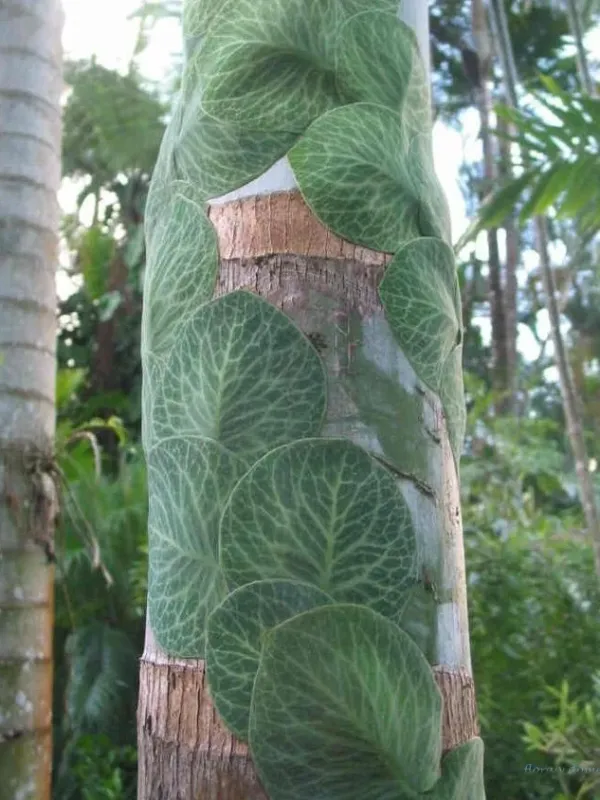
Description
Growing requirements
Rhaphidophora cryptantha is a fascinating member of the Araceae family known for its unique shingling growth habit. In its native habitat of Southeast Asian rainforests, this climbing plant ascends tree trunks, pressing its leaves tightly against the surface to maximize sunlight absorption.
This culture thrives in bright, indirect light. While it loves warmth, it should be protected from harsh, direct midday sun, which can scorch its foliage. A position near a filtered window or under high-quality grow lights is ideal for promoting vigorous and healthy leaf development.
The substrate must be well-draining, airy, and rich in organic matter. A mixture of coco coir, orchid bark, perlite, and a small amount of peat moss creates the perfect environment for its aerial and terrestrial roots to breathe while maintaining consistent moisture.
Temperature management is crucial, with an optimal range between 20°C and 26°C. The plant is sensitive to cold drafts and should be kept away from air conditioning vents or open windows during winter months, as sudden temperature drops can cause significant stress.
High humidity levels are essential for this plant to reach its full potential. Keeping the ambient humidity at 65% or higher, combined with proper air circulation, ensures that the leaves maintain their vibrant green color and healthy structural integrity.
Main diseases and pests
Spider mites are the most common pest problem, especially in environments with low humidity. They typically attack the underside of the leaves, causing them to lose their luster and develop small, yellow stippled patches that diminish the plant's aesthetic value.
Root rot is a major threat caused by overwatering or poor drainage. If the root system stays soaked for extended periods, it becomes susceptible to fungal attacks that quickly spread to the stems, causing them to turn black and mushy.
Mealybugs can become an issue if the plant is crowded or stressed. These white, cottony insects sap the energy from the plant, focusing on new growth and leaf axils where they can hide and reproduce rapidly if not checked.
Bacterial leaf spot may occur if the foliage remains wet for too long without adequate airflow. This manifests as brown, water-soaked spots that spread during periods of low light and high moisture, necessitating pruning and a drier environment.
To keep the plant healthy, always use a clean, sharp knife when pruning and wipe it with alcohol between cuts. Monitoring for early signs of pests allows for effective mechanical removal, reducing the need for chemical treatments.