
Rhaphidophora minor
Rhaphidophora minor
Description
Growing requirements
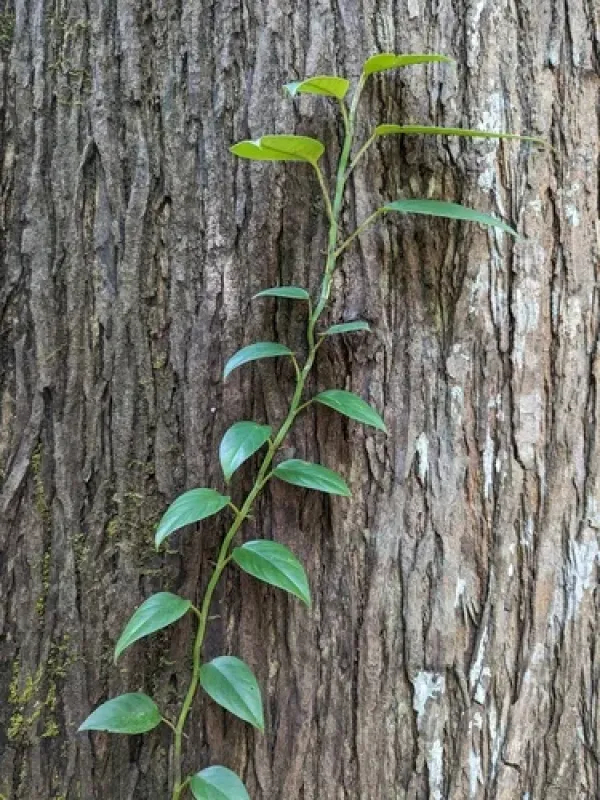
Rhaphidophora minor is a perennial evergreen climber belonging to the Araceae family. Originating from the tropical rainforests of Southeast Asia, this plant species is naturally adapted to high-humidity environments and shaded canopy conditions.
The plant requires a strictly controlled temperature range, ideally between 22 and 28 degrees Celsius, to maintain active physiological growth. Exposure to cold drafts or temperatures below 15 degrees Celsius is detrimental to the plant's structural integrity.
Soil cultivation must prioritize drainage and aeration. A nutrient-rich, well-draining substrate composed of peat, perlite, and bark is considered the industry standard for ensuring root health and preventing compaction.
Humidity management is critical for the success of this crop. Ambient humidity should be maintained at 60–70 percent, as the plant suffers from desiccated leaf margins if the environment becomes excessively dry for prolonged periods.
Lighting requirements involve providing bright but indirect light. Direct sunlight is harmful to the foliage, causing irreversible necrosis, whereas shade promotes the development of broader and more robust leaf structures.
Main diseases and pests
Common pests affecting Rhaphidophora minor include spider mites and mealybugs, which thrive in environments where humidity levels are improperly managed.
Root rot is the most significant pathological threat to the crop, typically triggered by over-irrigation and poor drainage systems in the growing container.
Integrated pest management strategies should be implemented to identify early signs of infestation and prevent the spread of pathogens across a cultivation batch.
Regular sanitation of cultivation tools is necessary to prevent the transmission of bacteria and viral agents that can affect the vascular system of the aroids.
Prevention involves consistent monitoring of soil moisture levels, ensuring that the top layer dries slightly between watering cycles to allow for adequate oxygen exchange.