
Rhaphidophora tenuis
Rhaphidophora tenuis
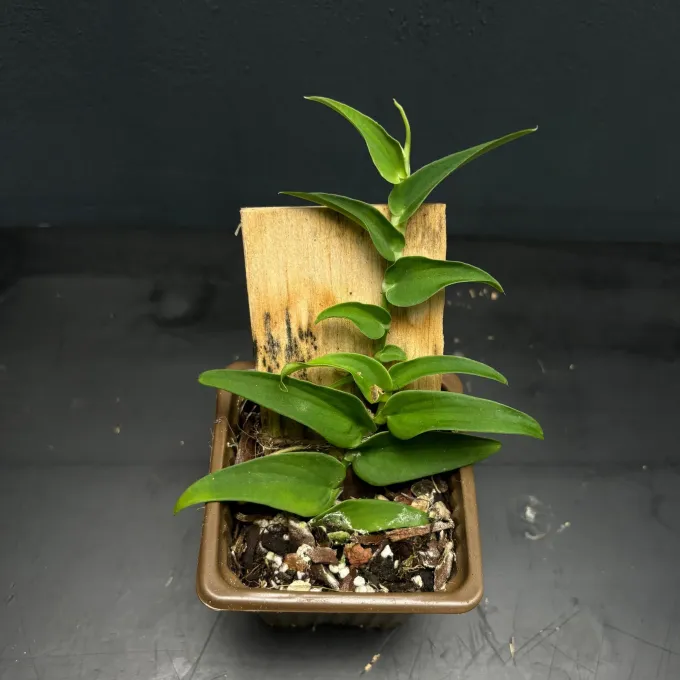
Description
Growing requirements
Rhaphidophora tenuis is a distinctive member of the Araceae family, native to the tropical rainforests of Southeast Asia. This evergreen climbing plant thrives in high-humidity environments, typically attaching itself to tree trunks for structural support.
The plant requires a stable, warm environment to flourish, ideally maintaining temperatures between 21°C and 27°C throughout the year. Cold drafts are detrimental and can cause the plant to drop leaves or enter a state of dormancy that hampers long-term development.
A well-draining, aerated growing medium is essential for root health. A mixture of sphagnum moss, bark, and perlite is often recommended to mimic the epiphytic conditions of its natural habitat, allowing roots to breathe while retaining enough moisture for steady uptake.
Lighting should be bright but indirect; direct sunlight is harsh and often damages the foliage. In lower light conditions, the plant will survive but its growth rate will decrease significantly, and its natural leaf structure may become less vibrant and compact.
Watering protocols must prioritize moisture balance rather than saturation. The substrate should be kept consistently moist but never waterlogged. During periods of active growth, supplemental fertilization with a balanced, diluted nutrient solution supports healthy development.
Main diseases and pests
Root rot is the most common threat to this species, primarily caused by waterlogged soil and inadequate drainage. If the medium remains overly wet for extended periods, oxygen deprivation leads to fungal infection and eventual collapse of the plant structure.
Spider mites are a persistent concern in indoor settings, particularly during winter months when indoor heating lowers ambient humidity. These pests thrive in dry air and can quickly infest the undersides of leaves, causing discoloration and severe damage.
Mealybugs are another threat, often settling in the junctions where leaf petioles meet the stem. Their feeding activity drains the plant's resources and can facilitate the growth of sooty mold, which further interferes with the plant's ability to photosynthesize.
Fungal leaf spots can occur when air circulation is poor, creating a stagnant microclimate. Improving ventilation is crucial for preventing these infections, as is ensuring that foliage remains clean and free of dust, which can harbor pathogens.
To maintain plant health, regular monitoring is essential. Applying environmentally safe insecticidal soaps or horticultural oils is effective for managing minor pest outbreaks before they escalate into systemic infections across the plant collection.