
Epipremnum amplissimum
Epipremnum amplissimum
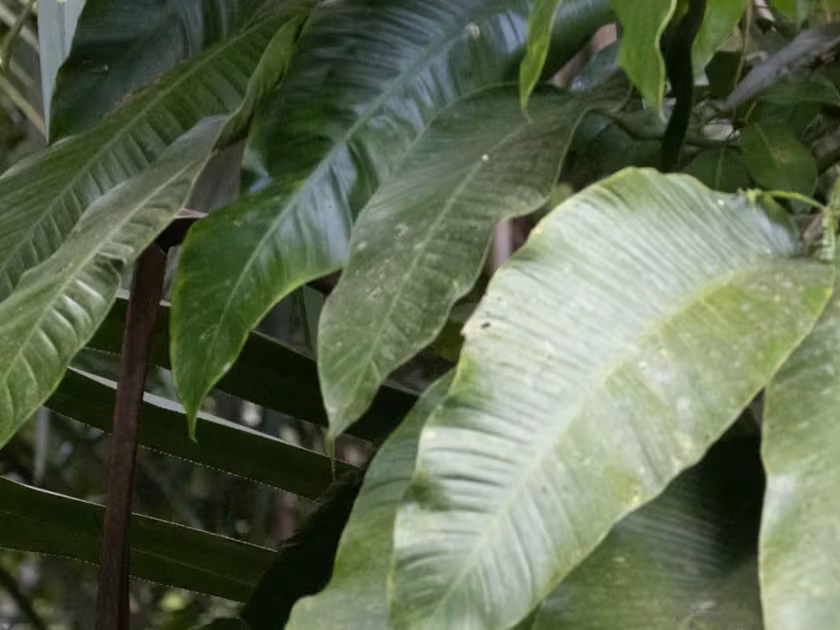
Description
Growing requirements
Epipremnum amplissimum is a distinct species of the Araceae family native to the tropical forests of New Guinea and the Solomon Islands. As a vining epiphyte, it is biologically adapted to climb trees, developing large, elongated, leathery leaves as it matures.
The plant thrives in warm, humid tropical climates. For successful cultivation, environmental conditions must include temperatures between 20°C and 28°C and humidity levels ideally above 65%. It is highly sensitive to cold drafts, which can cause significant stress to the foliage.
Soil structure is critical for this species; it requires a well-aerated, chunky substrate. A mixture of orchid bark, high-quality peat moss, perlite, and charcoal allows for necessary root respiration while preventing the root rot that is common in denser soil mixtures.
Lighting requirements are specific: Epipremnum amplissimum prefers bright, indirect light. While it can survive in lower light, its characteristic variegation and leaf size will suffer. Intense direct midday sun is damaging, as it dehydrates the plant and scorches the sensitive leaf tissue.
The watering strategy should follow a cycle where the top third of the growing medium dries out before the next irrigation. During the growing season, a balanced liquid fertilizer diluted to half-strength should be applied every few weeks to encourage vigorous stem elongation.
Main diseases and pests
Pest pressures primarily include spider mites and mealybugs, which thrive in environments with low air circulation or poor sanitation. These pests are notoriously difficult to control once established in the dense foliage of the vine.
Pathogenic threats include fungal infections such as Rhizoctonia and Pythium, which cause root and stem decay. These are almost exclusively associated with improper watering practices and poor substrate drainage in indoor environments.
Integrated Pest Management (IPM) for this crop involves routine scouting for insect presence and maintaining appropriate humidity. Providing sufficient airflow around the plant canopy significantly reduces the risk of fungal outbreaks and pest colonization.
Chemical intervention should be reserved for severe infestations, using systemic insecticides labeled for ornamental use. Always ensure that the chemical concentration is appropriate for the plant's sensitivity to prevent chemical leaf burn.
Sanitation is the cornerstone of plant health. Pruning tools should be wiped with 70% isopropyl alcohol between cuts to prevent the mechanical transmission of bacteria or viruses from infected tissues to healthy ones.