
Canary dragon arum
Dracunculus canariensis
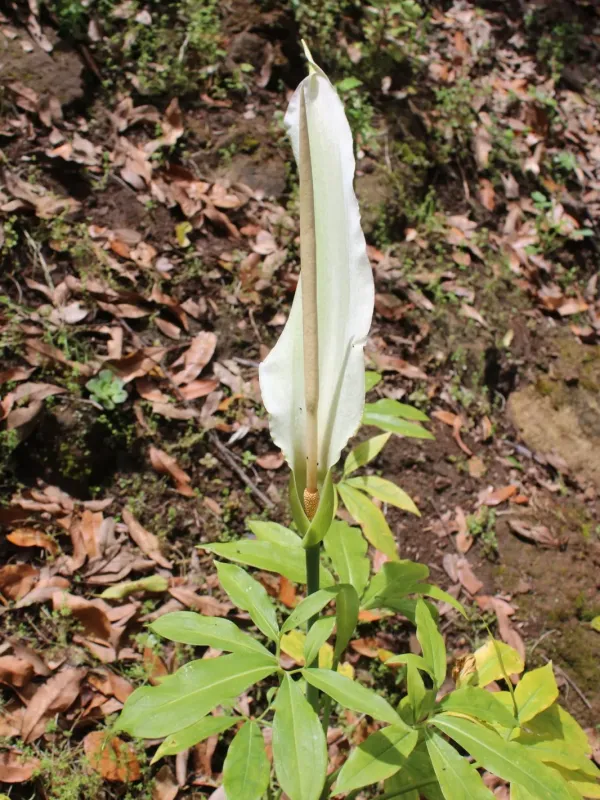
Description
Sowing dates
Planting of Dracunculus canariensis tubers should be carried out in spring once the soil temperature has consistently exceeded 15 degrees Celsius. Selecting a well-drained site is paramount to prevent the tubers from rotting during the initial rooting phase.
The planting depth should typically be around 10 to 15 centimeters, depending on the size of the tuber. Spacing between individual plants needs to be at least 45 centimeters to allow for optimal air circulation and development of the foliage.
If starting from seeds, use a light, sterile soil mix and maintain a constant temperature of approximately 20 degrees Celsius. Seed germination can be slow and requires patience, so keeping the substrate consistently moist but not saturated is key.
Once seedlings have reached a sufficient size, they can be transplanted into larger containers or outdoor beds. Early spring transplantation helps the root system establish itself before the intense summer heat arrives.
Always ensure that the growing site is shielded from extreme afternoon sun, as this species prefers bright, filtered light. Proper placement during the planting phase dictates the health and vigor of the plant throughout the season.
Growing requirements
As a member of the Araceae family, the Canary dragon arum requires a nutrient-rich, loose, and well-draining soil. Incorporating organic matter, such as well-rotted compost, into the planting area significantly improves both soil structure and water retention.
The plant originates from the Canary Islands, which defines its climatic preferences for mild, temperate environments. In cooler climates, it is essential to treat it as a tender bulb, digging it up in late autumn to overwinter indoors.
Watering frequency should be moderate, allowing the top layer of soil to dry out slightly between waterings to prevent root diseases. During the peak summer period, consistency is essential to support the rapid growth of large leaves.
Soil pH levels should be maintained in the neutral to slightly acidic range to ensure maximum nutrient availability. Frequent soil testing can help determine if supplemental fertilization is required for optimal development.
Proper aeration of the soil is critical for healthy root respiration. Regular cultivation or weeding around the base of the plant prevents compaction and encourages a more vigorous growth habit throughout the growing season.
Main diseases and pests
The most common issues for this plant include fungal infections, particularly root rot, caused by poor drainage or overwatering. Infected plants should be removed, and the surrounding soil treated to eliminate remaining pathogens.
Pests like spider mites and aphids can attack the foliage, especially in drier environments with low humidity. Monitoring the underside of the leaves is a simple yet effective way to detect early signs of infestation.
Slugs and snails can cause cosmetic and structural damage, particularly to young, tender growth during rainy periods. Implementing barrier techniques, such as crushed eggshells or copper tape, can protect the plants effectively.
Maintaining high hygiene standards in the garden prevents the spread of pathogens between plants. Disinfecting all gardening tools and keeping the area free of plant debris is a vital part of integrated pest management.
To boost plant vigor and disease resistance, provide balanced mineral fertilizers during the early growth stages. Healthy, well-nourished plants are significantly less susceptible to both pest attacks and environmental stress.