
Ilex petiolaris
Ilex petiolaris
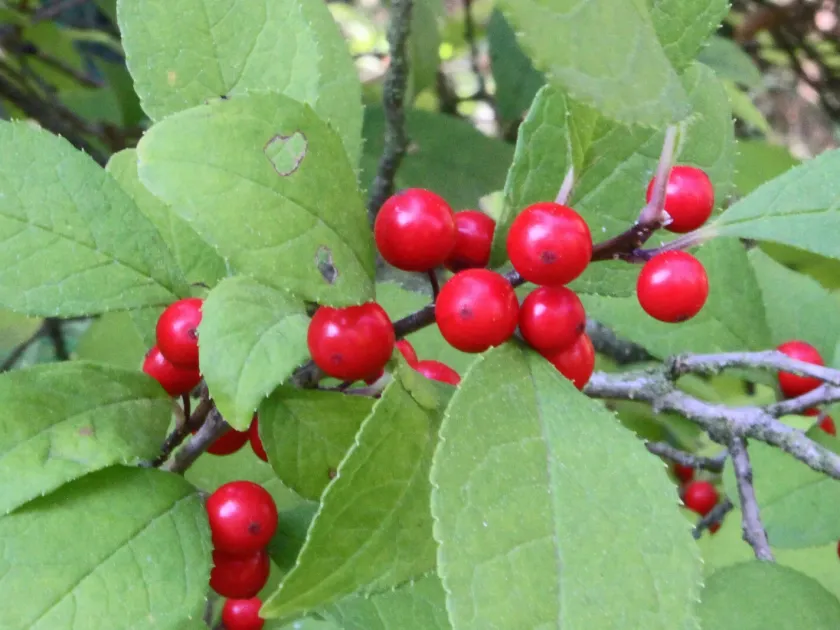
Description
Growing requirements
Ilex petiolaris is a distinguished species within the Aquifoliaceae family. Known for its persistent foliage and unique architectural form, this plant requires specific environmental conditions to thrive. It is typically valued in ornamental horticulture for its ability to maintain structure throughout the year.
The native range of this plant includes specific forest habitats, suggesting a preference for sheltered environments. It performs best in regions with mild temperatures and high humidity levels. Direct, intense sunlight can lead to leaf scorch, so partial shade is often recommended for optimal foliage health.
Soil requirements for Ilex petiolaris are quite precise. The plant favors fertile, well-draining soils with a slightly acidic to neutral pH. Heavy or compacted soils that impede water movement are unsuitable and often lead to root health issues, making thorough soil preparation an essential step.
Water management is critical for the success of this culture. Consistent moisture levels are required during the growing season, but the root system is sensitive to waterlogging. Implementing effective drainage solutions is necessary to prevent the buildup of stagnant water around the root zone.
Maintenance of the surrounding environment, such as mulching, helps stabilize soil temperature and moisture. This is particularly beneficial for the root system, as it buffers against seasonal changes and provides a more consistent growing medium, which is vital for long-term plant vigor.
Main diseases and pests
Fungal pathogens represent the primary threat to Ilex petiolaris. Diseases like leaf spot and root rot often proliferate in environments with poor air circulation or excessive soil moisture. Preventive fungicide application and cultural practices are key components of a robust plant health strategy.
Insect pests, including scale insects, can be problematic for this species. These pests feed on sap, which weakens the plant and can cause stunted growth or chlorosis. Early identification through routine inspection is the most effective way to manage and control these populations.
Spider mites are another common concern, especially during periods of low humidity and high heat. They thrive in dry conditions and can cause significant damage to the leaf structure. Maintaining adequate humidity and using appropriate miticides are standard approaches for population control.
Nutrient deficiencies often manifest as leaf chlorosis, which can be misidentified as disease. Ensuring a balanced fertilization program that includes necessary micro-nutrients helps the plant maintain deep, vibrant green foliage and strengthens its natural resistance to biotic stresses.
Sanitation practices are indispensable for maintaining a healthy planting. Pruning out dead or diseased wood improves air penetration and light quality within the canopy, which directly reduces the favorable conditions required for many common fungal and pest issues to establish themselves.