
Ilex memecylifolia
Ilex memecylifolia
Description
Growing requirements
Ilex memecylifolia is a distinguished species within the Aquifoliaceae family. Originating from the humid forests of China, it is an evergreen shrub characterized by its robust growth habit and adaptability to shaded forest-floor environments.
The ideal cultivation site requires rich, well-draining, slightly acidic soil. Good drainage is paramount, as the root system of this species is sensitive to waterlogged conditions, which can lead to rapid root decay if not properly managed.
This holly variety thrives in partial shade. Excessive exposure to direct sunlight can scorch the dense, leathery leaves, especially in hotter climates. It prefers locations protected from harsh winds to maintain its structural integrity and leaf luster.
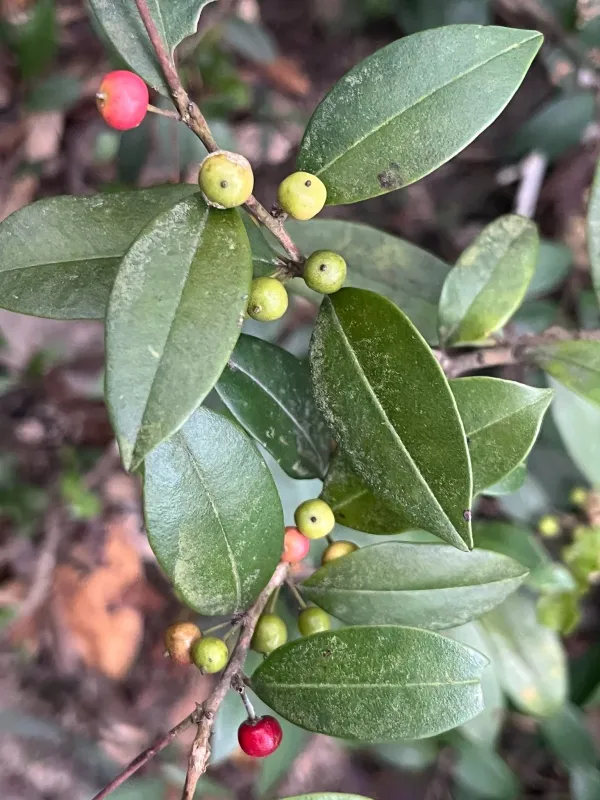
Botanically, it features simple, alternate, and coriaceous leaves that resemble those of the genus Memecylon. Being a dioecious plant, it requires both staminate and pistillate plants in close proximity to facilitate cross-pollination and ensure fruit production.
Maintenance involves consistent organic mulching to keep the root zone cool and moist. Pruning should be carried out after the primary growth flush in late spring to encourage a denser branching pattern and maintain the desired aesthetic shape.
Main diseases and pests
Fungal pathogens such as leaf spot are the most frequent threats, particularly in areas with poor air circulation. Regular pruning to thin the canopy is essential to ensure adequate airflow and prevent the buildup of moisture.
Scale insects and mealybugs represent the primary pests for Ilex memecylifolia. These pests tend to congregate on the undersides of the leaves or along the nodes, necessitating the use of horticultural oils or systemic insecticides.
Aphids can cause significant damage to young, tender shoots during the spring growth phase. Monitoring and timely intervention with mild insecticidal soaps are highly effective in controlling these outbreaks before they escalate.
Nutrient deficiencies, specifically iron chlorosis, are common when the soil pH is not maintained at the required acidic levels. Periodic soil testing and the addition of chelated iron supplements can prevent foliage discoloration.
Environmental stress, such as extreme heat or drought, can weaken the plant, making it more susceptible to opportunistic infections. Maintaining a consistent watering schedule during dry spells is crucial for long-term health and vitality.