
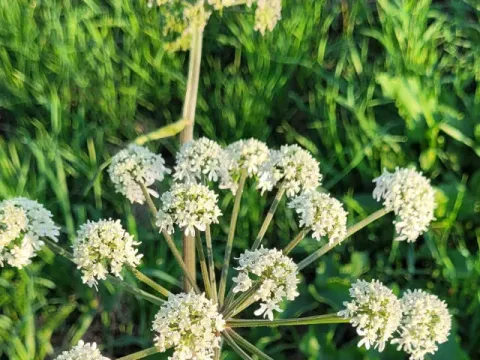
Xanthogalum
Xanthogalum
Xanthogalum is a genus of perennial herbaceous plants belonging to the Apiaceae family. These plants are typically found in the wild across the mountainous regions of Central Asia and parts of the Caucasus, where they have evolved to withstand diverse microclimates.
What the section contains

Xanthogalum
From an agronomic perspective, the plant requires well-drained, porous soils to thrive. It is highly sensitive to waterlogging, which often leads to root rot, making site selection with adequate slope or sandy soil composition essential for successful production.
Climate requirements include high sun exposure, as the plant needs sufficient light to develop its complex chemical profile. Xanthogalum is known for its tolerance to temperature fluctuations, which is characteristic of high-altitude flora, making it hardy in several temperate zones.
Soil management for this culture involves maintaining a neutral pH. While it can handle poor soil conditions, adding balanced mineral fertilizers during the early growth phase promotes faster root establishment and increases the total biomass yield.
The economic utilization of Xanthogalum is primarily focused on the pharmaceutical and cosmetic industries. The plant is valued for the unique composition of essential oils and coumarins found in its leaves and roots, which are used in various medicinal formulations.
The most significant threats to Xanthogalum crops include fungal infections like powdery mildew, which can spread rapidly if air circulation is inadequate. Maintaining proper spacing between rows is a critical preventive measure.
Pests such as the carrot rust fly pose a constant threat to the root system, potentially causing stunted growth and lower yields. Regular monitoring of the field is necessary to identify signs of larval infestation early in the season.
Disease management strategies rely heavily on crop rotation. By alternating Xanthogalum with non-Apiaceae crops, farmers can significantly reduce the pressure from soil-borne pathogens and typical pests that specialize on this family.
Integrated Pest Management (IPM) is the preferred approach for this culture, prioritizing biological controls over broad-spectrum pesticides to preserve the quality of the raw material intended for health-related uses.
Sanitation practices after harvesting are vital, including the removal of all plant debris, which helps minimize the overwintering of pathogens and insects in the soil profile.