
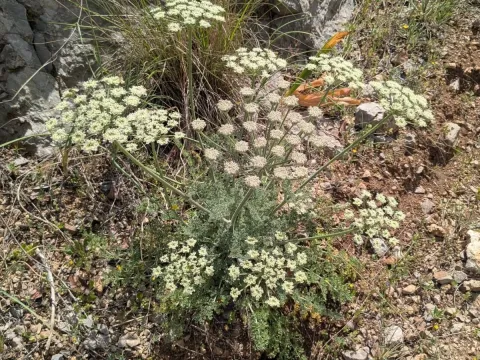
Zosima
Zosima
Zosima is a genus of perennial herbaceous plants belonging to the family Apiaceae. These plants are known for their distinctive umbelliferous inflorescences and are primarily native to the mountainous regions of Central Asia and the Caucasus.
What the section contains

Zosima
The plants are adapted to harsh, arid conditions and typically grow in rocky or stony soils. Successful cultivation requires a site with excellent drainage to prevent root rot, as the species is highly sensitive to waterlogging.
Zosima exhibits high drought tolerance, supported by a deep, well-developed taproot system that reaches moisture stored deep within the soil profile. They thrive in full sun and require significant light intensity for optimal growth and biomass production.
Climatically, the genus is suited for regions with distinct seasonal changes, characterized by hot, dry summers and cooler, moist winters. The plants undergo a period of dormancy during the peak of heat or cold, depending on the local ecotype.
Historically and commercially, Zosima species have been evaluated for their essential oil content and potential pharmaceutical applications. Their chemical composition is of interest for creating various extracts used in traditional and modern herbal practices.
Fungal diseases, particularly powdery mildew, represent a significant threat to the foliage of Zosima, especially when grown in environments with high ambient humidity or poor air circulation.
Root system health is often compromised by soil pathogens if the soil structure becomes compacted or overly saturated, leading to the rapid decline of the plant's structural integrity.
Insect pests, such as aphids and specialized umbellifer-feeding moths, can cause considerable damage to the developing leaves and flowers, directly impacting seed set and plant vigor.
Soil-dwelling larvae, such as those of the cockchafer, pose a risk to young plants by feeding on the primary roots, often leading to total loss of the crop in nursery settings.
Effective management strategies should focus on selecting well-drained planting sites and employing integrated pest management techniques to mitigate the need for intensive chemical applications.