
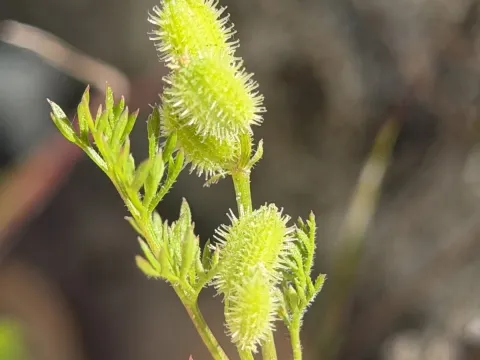
Yabea
Yabea
Yabea, specifically the species Yabea microcarpa, is an annual herb within the Apiaceae family. Its biological cycle is adapted to cool-season growth, necessitating sowing in early autumn or very early spring to ensure the plant completes its life cycle before extreme summer temperatures.
What the section contains

Yabea
Seeds require sufficient contact with soil moisture to initiate germination. In agricultural settings, a sowing depth of 1 cm is ideal to balance the need for moisture retention and light access for the developing seedling.
Row spacing should typically be set between 20 and 30 cm to allow for efficient root development and to simplify weed control operations. Overcrowding should be strictly avoided to ensure adequate air circulation.
The germination period usually lasts 14 to 21 days depending on soil temperature. Consistent moisture during this initial stage is critical for establishing a uniform stand across the production area.
Farmers can opt for mechanized drilling, which ensures consistent depth and density. Proper calibration of seeding equipment is essential to avoid waste and maintain an optimal plant population density.
Yabea thrives in well-drained, sandy-loam soils. It is particularly sensitive to waterlogging, which often leads to root rot diseases and stunted growth. Soil structure should allow for good aeration throughout the root zone.
This crop requires full sun exposure for optimal photosynthesis and developmental speed. Shaded environments can result in thin, spindly stems that lack the structural integrity to support heavy seed loads.
While relatively drought-tolerant once established, Yabea benefits from supplemental irrigation during the rapid growth stage. Avoiding water stress during the floral initiation phase is particularly important for yield.
The ideal soil pH ranges from 6.5 to 7.5. Nutrient management should focus on balanced fertility, avoiding high nitrogen rates that promote excessive vegetative growth at the expense of reproductive output.
The plant is adapted to Mediterranean-style climates with mild, moist winters and warm, dry springs. It demonstrates resilience to minor frost, but prolonged exposure to freezing temperatures may impact biomass.
Root and crown rots are the most significant threats to Yabea, often triggered by pathogenic fungi such as Pythium species. These are exacerbated by poorly managed irrigation and insufficient drainage.
Aphids and spider mites are common pests that target the tender leaves and developing flowers. Their feeding can transmit viral diseases, which significantly reduces the quality and quantity of the harvest.
Integrated Pest Management (IPM) practices, including the use of pheromone traps and beneficial predator insects, are recommended to control pest populations without relying solely on chemical intervention.
Competition from broad-leaved weeds is a major challenge during the early seedling stage. Mechanical cultivation or manual weeding is necessary to prevent weeds from outcompeting the crop for water and light.
Crop rotation is an essential strategy for breaking the life cycle of soil-borne pathogens. Rotating Yabea with non-related crops like grasses or cereals helps maintain soil health and reduces the need for fungicides.