
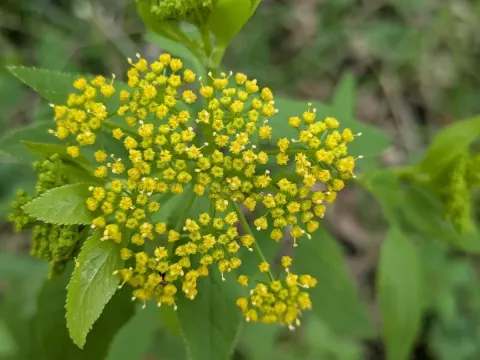
Zizia
Zizia
Propagation of Zizia is primarily achieved through seeds, which often require a period of cold stratification to overcome dormancy. Sowing in late autumn allows the seeds to undergo natural winter chilling, which significantly improves germination rates in the spring.
What the section contains


Zizia
For spring sowing, seeds should be treated or kept in a moist, cool environment before planting. Direct sowing into prepared seedbeds at a depth of 0.5 to 1 centimeter is recommended to ensure proper light exposure for the seedlings.
Consistency in moisture levels is critical during the initial germination phase. Since the seeds are relatively small, they should not be buried too deep, as excessive soil cover can hinder the emergence of the delicate shoots.
In large-scale agricultural settings, row spacing is typically maintained at 40–50 centimeters. This distance facilitates mechanical cultivation, weed management, and ensures that each plant has sufficient space for healthy development.
Once seedlings have established, thinning is necessary to achieve a final spacing of 25–30 centimeters between plants. This prevents overcrowding and reduces the risk of disease propagation within the crop rows.
Zizia is a perennial herbaceous plant belonging to the Apiaceae (carrot) family. It is known for its distinctive umbel inflorescences and is increasingly recognized for its role in both ornamental and ecological landscaping.
The plant thrives in fertile, well-draining soils with a neutral to slightly acidic pH. While it is adaptable to various soil types, avoiding waterlogged conditions is essential to prevent root issues during the dormant season.
Zizia prefers full sun exposure to maximize growth and floral display, though it displays a degree of tolerance for partial shade. Sites that receive abundant natural light tend to produce more robust biomass and a higher number of flowering stems.
As a hardy perennial, Zizia is well-adapted to variable climates and shows good winter resistance. It begins its vegetative growth early in the spring, making it a reliable performer in temperate growing regions.
Maintenance involves routine cultivation between rows and weed suppression to prevent competition for nutrients. Mulching the area around the plants helps conserve moisture and provides a stable thermal environment for the root system.
The yield of Zizia is contingent upon plant maturity and site-specific conditions, generally reaching its peak during the third year of growth. Harvesting is timed to match the phase of full bloom when the biological activity of the plant is at its highest.
Beyond its traditional uses, Zizia serves as a valuable resource for pollinator-friendly agriculture. The high volume of nectar produced during the flowering phase attracts beneficial insects, which improves the overall health of the local agroecosystem.
If cultivated for specialized uses, such as herbal extracts, careful harvesting of aerial parts is required. Quality is heavily influenced by the speed of drying and the subsequent storage conditions, which must remain cool and dry.
In seed production plots, supplemental fertilization with phosphorus and potassium during the budding stage can enhance reproductive output. This leads to higher yields of viable seeds for future propagation efforts.
Overall biomass yield is satisfactory when the plant is given sufficient space and minimal competition. Proper management ensures that Zizia remains a productive part of the farm landscape for several consecutive seasons.
The most common issues affecting Zizia include fungal pathogens, such as powdery mildew, which thrive in humid or stagnant air conditions. Improving aeration through proper spacing is the primary preventative strategy.
Pests, particularly aphids, may attack young inflorescences and succulent stems. Regular monitoring is encouraged, with integrated pest management (IPM) practices utilized to keep populations below economic injury levels.
Root rot is a significant risk in heavy, clay-based soils with poor drainage. Selecting sites with excellent permeability and avoiding over-irrigation are crucial steps in protecting the plant's health.
Nematodes are potential subterranean pests that can inhibit plant development. Maintaining soil health and implementing a robust crop rotation plan are standard practices to minimize the presence and impact of these soil-borne organisms.
Cleaning up crop residues at the end of the season reduces the availability of overwintering sites for pathogens and pests. This practice significantly lowers the risk of infestation in subsequent years.
Harvesting for green biomass is best performed using mechanical mowers at the peak of the flowering period. This ensures that the crop is gathered before the onset of senescence, preserving the quality of the harvested materials.
Once harvested, the plant material should be dried in shaded, well-ventilated areas to prevent the degradation of volatile oils. Keeping temperatures below 45 degrees Celsius is essential for high-quality production.
Seed harvesting should be timed precisely before the seeds reach full shedding maturity. Harvesting in the early morning hours, when humidity is slightly higher, can help reduce the percentage of seeds lost due to shattering.
After cleaning and grading, seeds should be dried to a moisture content of roughly 10 percent for safe long-term storage. Using airtight containers in a cool environment will maintain high germination rates until the next planting season.
Post-harvest residues can be chopped and incorporated back into the soil as a form of green manure. This recycles essential nutrients and improves the physical structure of the soil for future plantings.