
Xatardia
Xatardia
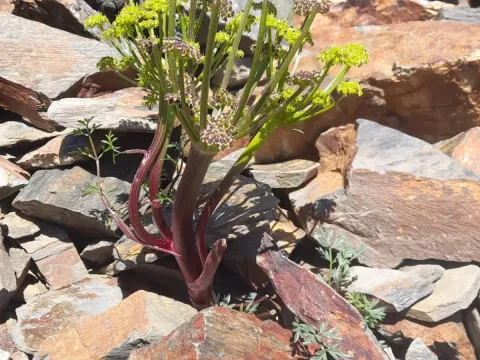
Xatardia is a monotypic genus of flowering plants belonging to the Apiaceae family. The only recognized species, Xatardia scabra, is a perennial herb that holds significant botanical value due to its limited distribution and specialized adaptations.
What the section contains

Xatardia
The native habitat of this plant is restricted to the high-altitude rocky regions of the Pyrenees, spanning the border between France and Spain. It thrives in harsh alpine environments, often found in crevices or stony soil where competition with other species is minimal.
Botanically, Xatardia is distinguished by its deep, robust root system and dissected foliage. These features are critical for moisture retention and structural support against the high-velocity winds prevalent in its mountain range.
The cultural requirements for Xatardia include excellent drainage, high light intensity, and a cool climate. It is not traditionally farmed in a commercial sense, as it is primarily a wild species protected by its niche environment.
Research into Xatardia focuses on its resilience to extreme temperatures and physiological mechanisms that allow it to survive in nutrient-poor alpine soils. Understanding these traits is vital for broader ecological studies within the Apiaceae family.
The primary threats to Xatardia involve climate change, which alters the delicate balance of the high-altitude ecosystems it occupies. Shifts in temperature and precipitation patterns can jeopardize the survival of these specialized populations.
Phytopathological risks include fungal infections that typically affect the root system, especially if the soil conditions become overly compacted or waterlogged during the spring snowmelt.
While the plant is hardy, it is susceptible to typical apiaceous pests, including certain aphids and insects that feed on the foliage. However, such infestations are less frequent due to the severe environmental conditions in the Pyrenees.
Direct damage to the plant's habitat, such as soil erosion or trampling from human activity and livestock, poses an immediate danger to its viability in the wild.
Conservation strategies are focused on habitat protection rather than agronomic pest management. Maintaining the pristine condition of its natural range is essential to prevent the extinction of this rare species.