
Xanthosia
Xanthosia
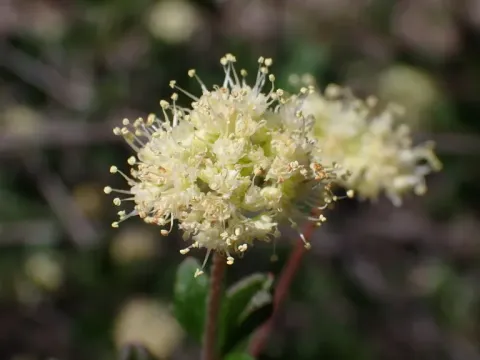
Xanthosia is a genus of flowering plants belonging to the Apiaceae family. These plants are native to Australia and are characterized by their unique, often star-shaped, petaloid bracts that surround the small central flowers.
What the section contains

Xanthosia
The cultivation of Xanthosia requires well-drained, sandy-loam soils. Due to its origin, the plant is adapted to nutrient-poor soils, meaning that excessive fertilization is usually unnecessary and potentially harmful to the plant's health.
In terms of light, Xanthosia thrives in full sun or light shade conditions. It is essential to provide enough light to ensure the plant maintains its compact growth habit and exhibits healthy leaf coloration.
Water requirements are moderate, but consistency is key. The plant is prone to root rot if left in waterlogged conditions, making proper drainage the most important factor in site selection and container preparation.
Temperature management involves protecting the plants from severe frost, as they are not tolerant of freezing temperatures for extended periods. In colder climates, they are often cultivated as annuals or greenhouse plants.
The most significant threat to Xanthosia health is Phytophthora root rot, which typically occurs when soil aeration is insufficient or drainage is inadequate.
Pests such as aphids and spider mites can attack the foliage. These insects are particularly problematic in dry, enclosed environments where natural predator populations are absent.
Management of these pests involves a combination of manual removal, biological controls, and, if necessary, targeted insecticide applications during the early stages of infestation.
Maintaining good airflow around the plants is critical to prevent the buildup of humidity, which can lead to fungal leaf spots and mold development in the canopy.
Sanitation practices, such as removing fallen leaves and disinfecting gardening tools, play a vital role in preventing the spread of soil-borne diseases within a cultivation area.