
Alexanders
Smyrnium olusatrum
Description
Sowing dates
Alexanders (Smyrnium olusatrum) is a biennial herb belonging to the Apiaceae family, native to the Mediterranean region and parts of Western Europe.
Sowing should ideally occur in late autumn, as the seeds require a period of cold stratification to break dormancy and ensure consistent germination in spring.
The seeds are sown in drills at a depth of approximately 1–2 cm, spacing them adequately to accommodate the plant's robust and bushy growth habit.
Though it can be sown in early spring, such attempts often result in erratic germination, making autumn sowing the preferred method for agricultural production.
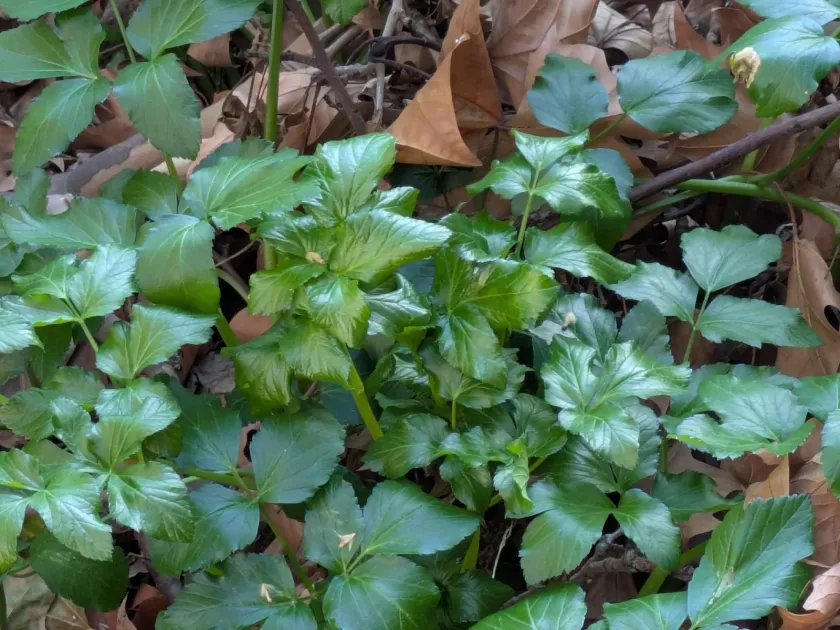
The plant starts with a large basal rosette of glossy, compound leaves in its first year, transitioning to a tall flowering stalk during the second year of growth.
Growing requirements
This species thrives in mild, temperate climates and is notably tolerant of coastal conditions, often found growing wild in hedges and near the sea.
It prefers deep, well-drained but moisture-retentive soils that are rich in organic matter and have a neutral or slightly alkaline pH level.
While Alexanders can tolerate partial shade, it produces the most vigorous growth and aromatic compounds when provided with full sunlight exposure.
Proper field maintenance includes keeping the soil consistently moist throughout the growing season, though waterlogging must be avoided to prevent root rot.
The plant is hardy and adapts well to various soil types, provided that the ground is not overly compacted, which can hinder root development.
Main diseases and pests
The most common pests affecting this crop include aphids and mining insects, which can cause significant damage to the foliage if left unchecked.
Fungal pathogens such as powdery mildew can be problematic in high-humidity environments where air circulation is restricted between dense plant stands.
To minimize disease impact, growers should practice crop rotation and ensure adequate spacing between rows to facilitate airflow through the plantation.
In cases of infestation, removing and destroying heavily infected leaves is often sufficient to control the spread without resorting to synthetic pesticides.
Monitoring for signs of root-related issues is crucial, especially in heavier soils where fungal root infections might develop during periods of high rainfall.
Harvesting
The culinary use of Alexanders is versatile: the leaves, stems, and flower buds can be harvested in early spring as a substitute for celery.
Roots can be harvested in late autumn of the first year or early spring of the second, offering a rich, peppery flavor profile suitable for stews and roasting.
It is vital to harvest the stems and leaves before the plant begins to bolt, as the texture becomes tough and the flavor turns bitter during the flowering stage.
For those interested in seeds, they should be harvested when fully mature and dark, typically mid-summer of the second year, and dried for future planting.
Post-harvest storage requires cool and humid conditions to maintain the crispness of the stalks and prevent the essential oils from oxidizing too quickly.