
Smyrnium rotundifolium
Smyrnium rotundifolium
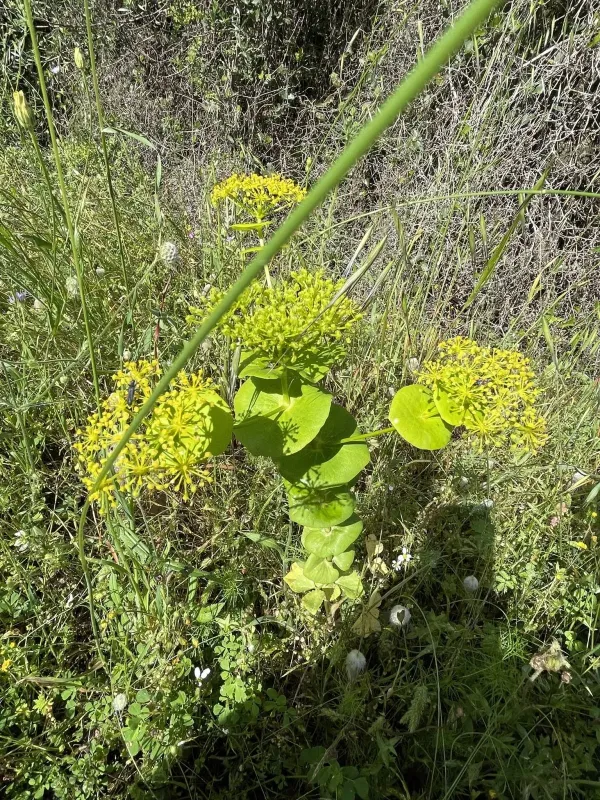
Description
Sowing dates
Smyrnium rotundifolium is a biennial herbaceous plant that is typically propagated from seeds sown in late autumn or early spring after a period of stratification.
To ensure optimal germination, seeds should be placed in a cool environment, as fluctuating temperatures can significantly hinder the development of young seedlings.
Sowing depth is critical, generally ranging from 1 to 2 centimeters depending on the soil texture, followed by firming the soil to ensure proper seed-to-soil contact.
Pre-soaking seeds in growth-promoting solutions prior to spring sowing can enhance germination rates and ensure a more uniform stand across the field.
Given the plant’s wide rosette spread in its second year, spacing between rows should be at least 45 to 60 centimeters to allow for proper airflow and maintenance.
Growing requirements
This crop thrives in fertile, deep, and well-draining loamy soils rich in organic matter, which are essential for its characteristic aromatic profile.
While Smyrnium prefers sunny conditions, it benefits from light shade in regions with intense summer heat to prevent foliage scorching and maintain leaf turgor.
Maintaining a neutral to slightly alkaline pH is ideal, and it is crucial to avoid areas with poor drainage, as waterlogging is a primary cause of root failure.
Regular irrigation is necessary throughout the growing season, especially during dry spells, to support the succulent growth of leaves and young stems.
The plant demonstrates moderate frost resistance, allowing it to overwinter in many temperate regions provided the root zone is protected by mulch or snow cover.
Main diseases and pests
The crop is susceptible to fungal pathogens like powdery mildew, especially under high humidity conditions or when plant spacing is too dense.
Soil-borne pests such as nematodes and wireworms pose a risk to the root system, particularly when the crop is planted in fields previously used for root vegetables.
Aphids and various bug species can target the tender leaves, causing stunted growth and reducing the marketability of the fresh harvest.
Effective pest management relies on consistent crop rotation practices, ensuring that Smyrnium is not planted repeatedly in the same soil to avoid pathogen buildup.
Biological control measures are strongly recommended for managing infestations, ensuring that the harvested foliage remains safe for culinary and medicinal applications.
Harvesting
The main harvest of leaves occurs during the first year of growth, specifically when the rosette reaches full maturity but before the elongation of the floral stalk.
Careful harvesting techniques are essential; by selectively cutting the outer leaves, gardeners can stimulate continuous regrowth throughout the growing season.
Seed harvesting is conducted in the second year, typically once the flower umbels turn brown, indicating that the seeds have reached physiological maturity.
Once harvested, the foliage should be handled with care and stored in cool, dark environments to preserve the delicate essential oils responsible for its aroma.
- Use sharp tools to avoid damaging the plant crown
- Harvest in the early morning to ensure maximum moisture content
- Proper post-harvest drying is required if storing for long-term use