
Smyrnium connatum
Smyrnium connatum
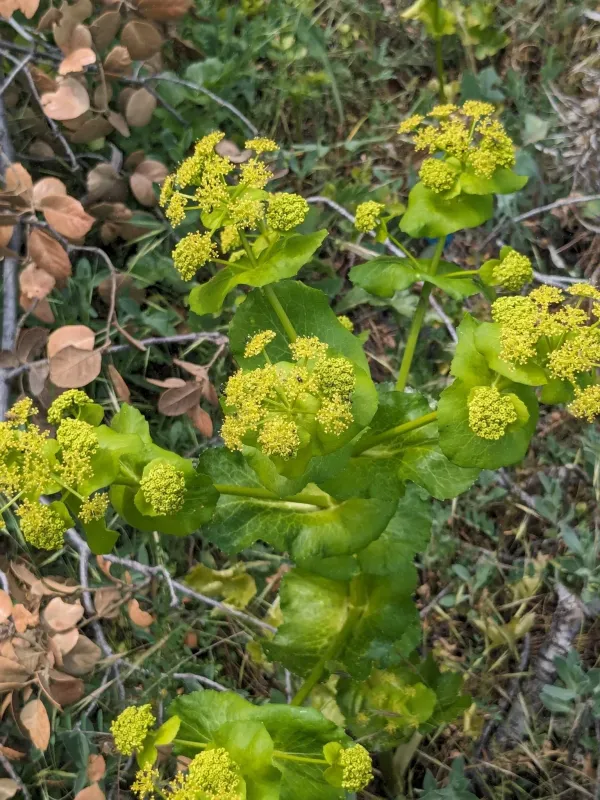
Description
Sowing dates
Smyrnium connatum is a member of the Apiaceae family, characterized by its biennial or perennial growth cycle that requires specific environmental conditions.
The optimal time for sowing is during autumn, as the seeds benefit from natural winter stratification, which significantly improves germination rates in spring.
For spring sowing, seeds must undergo artificial stratification in a cool environment for approximately two months to break dormancy.
Seeds should be covered with a light layer of soil, about 1 to 2 centimeters deep, to protect them from drying out while ensuring proper light exposure for sprouts.
Regular irrigation is essential during the seedling stage to establish a healthy root system, which is crucial for the plant's subsequent vigorous growth.
Growing requirements
This species thrives in sunny, open locations where it can receive sufficient sunlight to develop its distinct aromatic profile.
Smyrnium connatum prefers well-drained, loose, and fertile loam soils, although it is quite adaptable to various soil types if drainage is managed.
The plant is known for its resilience and drought tolerance once established, making it a sustainable crop for regions with dry, warm summers.
Avoiding waterlogged conditions is critical, as stagnant moisture can cause root rot and significantly weaken the plant's health.
A temperate climate is ideal, with growing temperatures between 18 and 25 degrees Celsius, though it can survive brief periods of light frost.
Yield
The primary agricultural utility of Smyrnium connatum lies in its leaves and stems, which offer a unique flavor profile resembling a blend of celery and parsley.
Yield is highly dependent on early spring moisture availability, which drives the development of the primary leafy rosette.
Proper cultivation management can result in a high-quality green harvest during the plant's first year of vegetative development.
Commercial harvesting is most productive when plants are managed to maximize foliage density before the onset of the second-year bolting stage.
High seed production capacity ensures that growers can maintain a continuous supply of planting material without relying on external sources.
Main diseases and pests
The most common issues for this crop include fungal infections like powdery mildew, which thrive in humid or poorly ventilated conditions.
Pests such as aphids and spider mites can occasionally damage the leaves, especially during periods of extreme heat and reduced plant vigor.
Integrated pest management and adequate spacing between plants are the best preventive strategies to maintain a healthy and productive crop.
Regular monitoring for symptoms of leaf spot or infestation allows for early intervention, reducing the need for chemical control measures.
Maintaining a balanced crop rotation cycle helps prevent the buildup of soil-borne pathogens common to the Apiaceae family.
Harvesting
Harvesting of the foliage is best done manually, cutting outer leaves of the rosette to allow the central growth point to continue producing fresh greenery.
Post-harvest handling is critical; produce should be cooled immediately to preserve the volatile oils that provide its signature aromatic properties.
For seed production, plants are left to bolt in their second year, and umbels are harvested once they turn dark and brittle.
Threshing should be performed gently to ensure seed integrity, followed by drying in a well-ventilated, shaded environment to prevent molding.
The roots, often harvested in the autumn of the first year, offer additional culinary utility and should be cleaned and dried for long-term storage.