
Smyrnium orphanidis
Smyrnium orphanidis
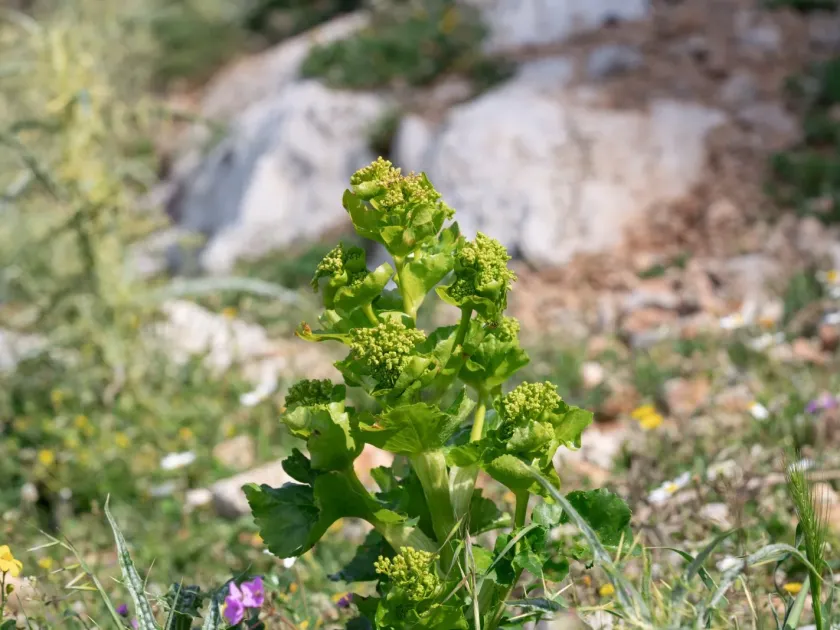
Description
Sowing dates
Smyrnium orphanidis is a biennial plant belonging to the Apiaceae family. Its cultivation requires careful site selection and preparation to ensure the successful development of the rosette and subsequent floral stalks in the second year.
Seeds are typically sown in early spring or late autumn. Because the seeds have a dormant period, cold stratification is often recommended to improve germination rates in a controlled environment.
The optimal planting depth is approximately 2 cm. Maintaining a row spacing of 50-60 cm allows for proper airflow and eases mechanical weeding, which is crucial during the plant's slow early growth phase.
Thinning out seedlings is essential to achieve a spacing of 25-30 cm between individual plants. This density prevents overcrowding and ensures that each plant receives sufficient nutrients and light.
Providing consistent moisture during the germination period is critical. Once the plants are established, they become more resilient, but maintaining adequate soil water remains important for biomass production.
Growing requirements
This species thrives in well-drained, fertile soils with a neutral pH level. Avoiding compacted soil is mandatory, as the plant’s root system needs adequate oxygen for healthy development and nutrient uptake.
Sunlight exposure is a primary requirement. While it can tolerate partial shade, maximum exposure to solar radiation is beneficial for the synthesis of volatile oils and other secondary metabolites within the plant tissues.
The climate requirements include moderate temperatures. Extreme heat combined with low humidity can cause premature wilting, whereas excessive moisture in winter may lead to root rot if the soil is poorly drained.
Fertilization should be balanced, focusing on organic matter. A top-dressing of compost in the spring can provide the necessary macronutrients for vegetative growth without risking nitrogen toxicity.
Proper weed management is a vital component of the agricultural process. Being a member of the Apiaceae family, it is relatively slow-growing initially and can easily be overtaken by more aggressive weeds.
Main diseases and pests
Common threats to Smyrnium orphanidis include pests such as aphids and carrot flies, which are prevalent in many Umbelliferae crops. These pests can significantly stunt plant growth if not managed.
Fungal diseases, specifically powdery mildew and root rot, represent the most frequent pathological risks. These are often triggered by poor site selection, such as areas with high humidity or low wind movement.
To prevent disease spread, it is essential to implement strict crop rotation cycles. Never plant this crop in soil that has recently hosted other members of the Apiaceae family like parsnips, carrots, or celery.
Integrated pest management strategies should be used to protect the crop. This includes regular field inspections, early detection of pest colonies, and the use of eco-friendly biological control agents.
Maintaining a clean field environment by removing debris and infected plant parts after harvest helps reduce the carryover of spores and overwintering larvae for the next planting season.