
Ptilimnium
Ptilimnium
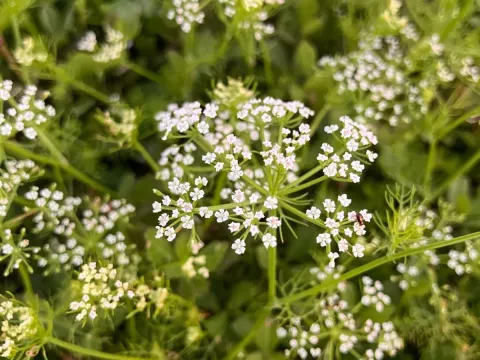
Ptilimnium, a genus belonging to the Apiaceae family, is widely recognized for its feathery, thread-like foliage and small, white umbel flowers. Often called mock bishop's weed, these plants offer a distinct airy texture that is highly valued in horticultural and landscape applications.
What the section contains
Ptilimnium
Originating from North America, the genus is naturally adapted to moist environments. Its primary native range includes wetlands, damp prairies, and marshy peripheries, which dictates its preference for consistently moist soil conditions in a garden setting.
The cultural requirements are specific: it thrives in rich, moisture-retentive soils. It does not tolerate drought well, so gardeners must provide adequate irrigation, especially during the peak growing season to prevent leaf scorch and premature wilting.
Climate-wise, Ptilimnium prefers moderate temperatures. While it can tolerate full sun, it performs best in locations where it receives ample light but is protected from intense, drying afternoon heat which could compromise its delicate structure.
Its primary use is ornamental, serving as a filler plant in perennial borders or wildflower meadows. Due to its unique texture, it is also harvested for professional floral arrangements, where it adds a delicate, cloud-like element to bouquets.
Like many members of the Apiaceae family, Ptilimnium is susceptible to fungal diseases such as powdery mildew, especially if planted in areas with poor air circulation or excessive overhead moisture. Constant monitoring of the foliage is essential.
Common pests include aphids, which often cluster on the stems and developing flower buds, draining the plant's vitality. Spider mites may also appear during hot, dry periods, causing yellowing and stippling of the delicate leaves.
Root rot is a critical threat when soil drainage is insufficient. If water sits around the roots for prolonged periods, the plant will quickly succumb to decay; therefore, a well-draining yet moist substrate is the key to longevity.
Integrated pest management (IPM) is the best approach for this crop. Utilizing beneficial insects or organic horticultural soaps is generally preferred over heavy chemical applications to maintain the plant's health and safety for local pollinators.
Sanitary practices are vital for disease control. Removing spent flower heads and thinning out crowded foliage helps reduce the environment for pathogens, ensuring that the remaining plants stay robust and free of infection throughout the season.