
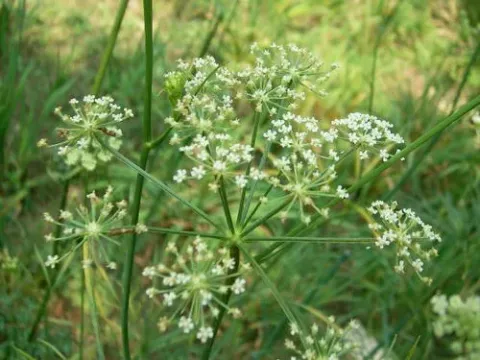
Pterygopleurum
Pterygopleurum
Pterygopleurum is a distinct genus within the Apiaceae family that requires specific stratification conditions for successful seed germination and establishment.
What the section contains

Pterygopleurum
Sowing is typically performed in late autumn, allowing the seeds to undergo natural cooling cycles, which is essential for breaking seed dormancy in this species.
The planting site should be prepared by incorporating organic matter to improve soil texture and moisture retention capabilities, supporting early root development.
Seeds are sown in shallow furrows, as they require minimal covering to ensure proper light exposure and to prevent the seeds from becoming buried too deeply.
Consistent moisture must be maintained throughout the germination period, as the seeds are highly sensitive to desiccation after the initiation of the growth process.
This crop thrives in moist, fertile environments, typically preferring partially shaded locations that mimic its natural habitat in temperate forest edges or meadows.
Soil requirements include high humus content and a near-neutral pH; sandy or heavy clay soils must be amended to optimize drainage and nutrient availability.
Temperature management is critical; the species is adapted to cooler climates and may struggle in regions characterized by intense, prolonged summer heat.
Adequate spacing is necessary to facilitate airflow, which significantly reduces the risk of leaf diseases and promotes the development of robust specimens.
Maintenance involves regular weeding and light fertilization, specifically focusing on nitrogen levels during the vegetative phase and phosphorus for maturity.
Pathogenic fungi represent the primary threat to Pterygopleurum, particularly those causing root rot in environments where soil drainage is inadequate.
Insect pests, such as aphids and specific larvae that target umbelliferous plants, can cause significant damage to the foliage and developing flower stalks.
Effective disease management strategy should prioritize preventative measures, such as avoiding overcrowding and ensuring good vertical air circulation.
If chemical or biological intervention is required, it should be applied during the early stages of pest infestation to prevent systemic damage to the crops.
Integrated pest management, including crop rotation and the use of resistant varieties, remains the most effective approach for maintaining yield stability.