
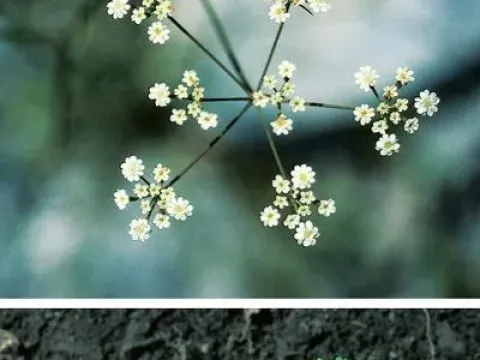
Ptychotis
Ptychotis
Ptychotis sowing is typically scheduled for early spring once soil temperatures reach 8–10 degrees Celsius. Successful germination depends on maintaining consistent moisture levels during the critical initial stages of development.
What the section contains

Ptychotis
The seeds should be planted at a shallow depth of 1–2 centimeters. Given their small size, precise seedbed preparation is necessary to prevent burial too deep, which would inhibit germination or delay the emergence of seedlings.
Row spacing is recommended at 45–60 centimeters to facilitate mechanical weed control. Maintaining clean rows is essential for the crop, as Ptychotis tends to establish slowly and can be easily outcompeted by aggressive weeds in the early stages.
Soil compaction immediately after sowing is a vital agronomic step. Firming the soil ensures better capillary movement of moisture toward the seeds, which promotes more uniform emergence across the field.
Seedlings usually emerge within 15 to 20 days after sowing, depending on thermal conditions. Proper soil moisture management during this period ensures the robustness of the young plants before they transition into the main growth phase.
Ptychotis, a member of the Apiaceae family, thrives in open, sunny locations with direct sunlight exposure. Sufficient light intensity is critical for the biosynthesis of essential oils, which are the primary economic value of the plant.
The crop requires well-drained, fertile sandy-loam or loam soils. It is particularly sensitive to waterlogging, as stagnant water in the root zone quickly leads to root rot and poor plant vigor, significantly impacting yield.
The optimal soil pH range for Ptychotis is between 6.5 and 7.5. Soils that are too acidic require liming to ensure nutrient availability, particularly for essential mineral uptake required for vigorous vegetative growth.
Climatic requirements favor Mediterranean or temperate zones where warm summers support the plant's life cycle. While the plant shows some resistance to moderate drought, irrigation during the flowering stage is beneficial.
Environmental factors such as strong, cold winds can be detrimental to the plant. Planting in sheltered areas or using windbreaks can help maintain a stable microclimate, thereby improving the overall health and yield of the harvest.
Common threats to Ptychotis include powdery mildew and various leaf spot diseases, especially in humid conditions. Excessive humidity and poor air circulation within the canopy are primary triggers for these fungal issues.
Pests such as aphids and umbellifer moths are known to target the floral parts of the plant. Infestations during the reproductive stage can lead to a drastic reduction in seed yield and a decline in essential oil quality.
Integrated pest management strategies are crucial for maintaining healthy crops. Crop rotation, ensuring at least a 3–4 year gap between similar Apiaceae plantings, is the most effective way to prevent the buildup of soil-borne pathogens.
Biological control methods are preferred, especially when the crop is destined for the food or pharmaceutical industry. Minimizing chemical pesticide use ensures that the essential oils remain pure and compliant with industry standards.
Good agricultural practices, such as optimizing plant density and timely removal of infected debris, significantly reduce the pressure from diseases and pests, ensuring a productive and stable harvest throughout the season.