
Prionosciadium
Prionosciadium
Prionosciadium is a genus of herbaceous perennial plants belonging to the Apiaceae family. These plants are primarily native to the mountainous regions of Mexico, where they have evolved to thrive in specific high-altitude ecological niches characterized by distinct seasonal moisture patterns.
What the section contains

Prionosciadium
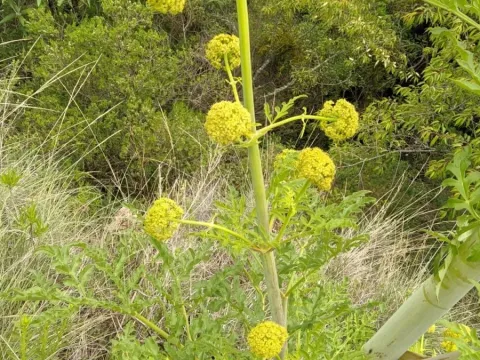
Botanically, the plant is recognized by its robust root system and distinctive dissected foliage. The inflorescences are typically compound umbels, a structural hallmark of the Apiaceae family, which contribute to the plant's unique architectural appearance in its natural habitat.
The primary cultivation requirement for Prionosciadium is well-draining soil, preferably with a sandy or loamy texture. The species is highly sensitive to waterlogging, which can rapidly lead to root rot; therefore, selecting sites with excellent natural or artificial drainage is mandatory for successful production.
In terms of agricultural management, the plant requires consistent exposure to sunlight to support its vigorous vegetative growth. Soil fertility management should focus on maintaining a neutral pH level and ensuring an adequate supply of essential trace minerals to promote the development of secondary metabolites.
From a socioeconomic perspective, the genus is of interest due to its ethnobotanical profile. Local populations have historically utilized parts of these plants for their therapeutic properties, suggesting significant potential for further research into their chemical composition and prospective applications in modern herbal medicine.