
Osmorhiza berteroi
Osmorhiza berteroi
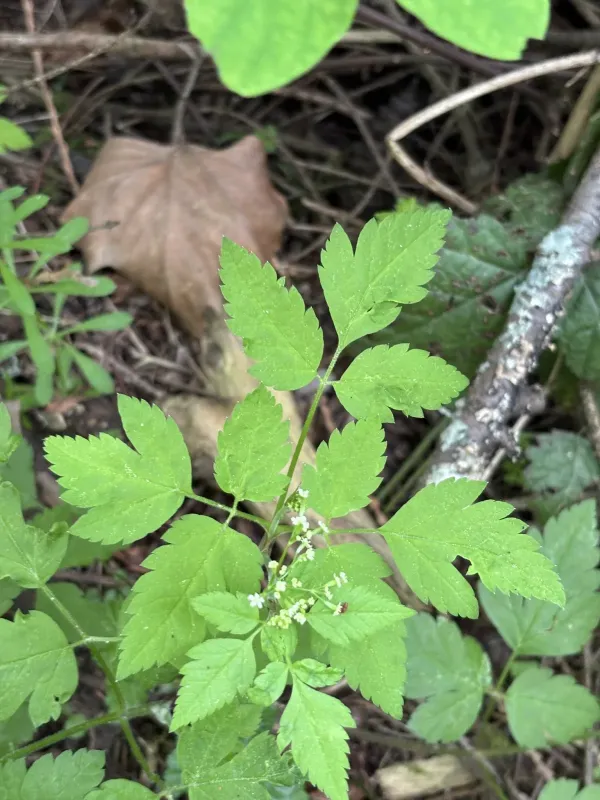
Description
Sowing dates
Osmorhiza berteroi is a perennial herbaceous plant belonging to the Apiaceae family. In agricultural practices, it is best propagated through autumn sowing, as the seeds require a period of cold stratification to break dormancy and ensure high germination rates.
For spring sowing, seeds must undergo artificial stratification at low temperatures for 4 to 8 weeks. This process mimics natural winter conditions and is essential for achieving a uniform stand of seedlings in the field.
Optimal planting sites should feature well-drained, humus-rich soil with a neutral to slightly acidic pH level. Seeds are typically sown at a depth of approximately 1 to 2 centimeters to provide sufficient protection while ensuring adequate moisture access.
Spacing is a critical factor for long-term health, as the plants develop significant foliage. A row spacing of 45 to 50 centimeters is recommended to allow for easy mechanical weeding and optimal air circulation between mature plants.
The plant demonstrates good adaptability to various temperate climates. Once established, the root system is hardy and capable of surviving harsh winters, provided there is a protective layer of mulch or snow cover.
Growing requirements
This crop thrives in moderately moist environments. While it is not an aquatic plant, it requires consistent soil moisture, especially during the peak growing season, making a drip irrigation system a highly recommended investment.
Light requirements for Osmorhiza berteroi are flexible, though it prefers partial shade. Excessive direct sunlight in hot climates can scorch the leaves, so positioning the crop in areas with dappled light is often the best strategy for high-quality yields.
Soil structure should be friable and aerated to prevent root rot, which is the most common issue in heavy or waterlogged clay soils. Incorporating well-rotted organic matter before planting improves soil structure and nutrient availability.
Nutritional needs are met through base fertilization with organic compost. Additional potassium-based supplements during the vegetative growth phase can help strengthen the root system and enhance the development of essential oils.
Consistent monitoring of soil pH is vital for successful cultivation. If the soil becomes too acidic over time, targeted liming should be performed during the off-season to maintain the preferred neutral environment for the roots.
Yield
Economic value is derived primarily from the roots and seeds, both of which are valued for their anise-like aroma. Yields are maximized by focusing on plant health throughout the three-year maturation cycle of the crop.
Pollination plays a significant role in seed production. Since the flowers of Osmorhiza berteroi are attractive to bees and other beneficial insects, managing the site to support pollinator populations is essential for achieving a bountiful seed harvest.
Plant density management is key to maintaining stable output. Overcrowding can lead to smaller roots and increased disease pressure, whereas proper spacing ensures each plant has access to sufficient resources for development.
Harvesting timing significantly affects the total volume and quality of the yield. By tracking the growth stages, growers can determine the precise moment when essential oil content in the roots is at its peak.
The crop's yield potential is also influenced by weed control. During the first year, the seedlings grow slowly and can be easily outcompeted by aggressive weeds, requiring vigilant manual or mechanical intervention.
Main diseases and pests
Fungal diseases, including powdery mildew, represent a significant threat to the foliage. Good air movement is the best preventive measure, complemented by the avoidance of overhead irrigation which can promote leaf moisture.
Pests like aphids and root weevils can impact the vigor of the plant. Integrated Pest Management (IPM) strategies, such as the use of biological controls and regular field monitoring, should be implemented to minimize chemical reliance.
Slugs and snails can be highly destructive to young seedlings, particularly during wet spring months. Implementing protective barriers or using organic-approved traps can effectively mitigate these losses without damaging the surrounding ecosystem.
Root rot is a constant risk if the drainage is insufficient. Growers should regularly inspect the soil moisture levels and ensure that the root zone is not consistently saturated, as this leads to irreversible damage.
Proper crop rotation is necessary to avoid the buildup of soil-borne pathogens. Rotating away from Apiaceae crops for at least four years significantly reduces the risk of long-term contamination in the field.
Harvesting
Root harvest is performed in the autumn of the second or third year when the above-ground biomass begins to senesce. This ensures the roots are packed with stored energy and maximum aromatic compounds.
After mechanical or manual lifting, the roots must be thoroughly cleaned of soil. Proper handling is required to prevent bruising, which can negatively impact the appearance and shelf life of the final product.
Drying the roots is a delicate process that must occur in a well-ventilated, shaded area at temperatures below 45 degrees Celsius. This preserves the essential oils that define the market value of the crop.
Seed harvesting should be conducted just before the pods start to shatter. This requires daily monitoring during the maturation phase to ensure that seeds are collected at their highest quality before they are lost to natural dispersal.
Post-harvest storage should involve moisture-controlled conditions in airtight containers kept in a cool, dark place. This standard procedure maintains the potent scent and medicinal qualities of the harvest for an extended period.