
Osmorhiza aristata
Osmorhiza aristata
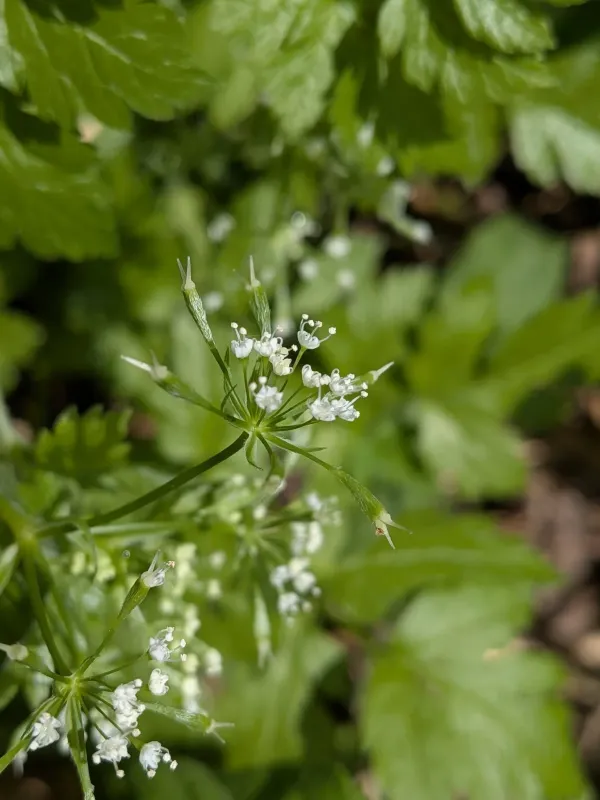
Description
Sowing dates
Osmorhiza aristata, commonly known as a type of sweet cicely, is a perennial plant belonging to the Apiaceae family that requires specific conditions for successful propagation.
Seeds of this species exhibit dormancy and typically require a period of cold stratification to germinate efficiently, making autumn sowing the most effective method.
When sowing in the spring, it is highly recommended to pre-chill the seeds in moist sand or a refrigerator for several weeks to simulate natural winter conditions.
Sowing depth should be shallow, generally not exceeding 1–2 cm, as the seeds need to stay near the surface to properly perceive light and temperature signals.
Spacing the plants effectively is important for air circulation, which prevents the development of fungal diseases during the dense growth phases of the plant.
Growing requirements
This species thrives in woodland-like environments, preferring cool, semi-shaded locations with moisture-retentive, organic-rich soil conditions.
Maintaining consistent soil moisture is critical for Osmorhiza aristata, especially during the peak growth season when the plant is actively developing foliage.
The plant performs best in neutral to slightly acidic soils that provide excellent drainage while retaining enough nutrients to support its vigorous root system.
Excessive heat and direct sun exposure should be avoided, as they can cause leaf scorch and premature wilting, significantly reducing the plant's vitality.
Supplemental feeding with well-composted organic matter once a year is usually sufficient to maintain soil fertility and support long-term plant health.
Main diseases and pests
The primary threats to this crop include powdery mildew and other foliar diseases that proliferate in humid, stagnant air environments with poor ventilation.
Pests commonly associated with the Apiaceae family, such as aphids and carrot rust flies, may infest the plants if not monitored or managed correctly.
Implementing a proper crop rotation strategy is essential to prevent soil-borne pathogens from building up in the beds where the plant is cultivated.
In cases of severe infestation, biological controls are preferred over chemical pesticides to preserve the purity of the aromatic compounds in the plant tissue.
Regular weeding is also necessary to reduce competition for nutrients and water, which otherwise weakens the plants and makes them more susceptible to pests.
Harvesting
The harvesting of roots typically occurs late in the autumn after the plant has gone dormant, ensuring the highest concentration of phytochemicals is present.
Aerial parts, such as leaves and tender stems, are collected mid-season during the flowering stage when the aroma is most intense and oils are at their peak.
Harvested material should be dried in a well-ventilated, shaded area to prevent the volatile oils from dissipating under the intensity of direct solar radiation.
Once dried, the plant material must be sorted to remove any debris or discolored parts, ensuring a high-quality product for culinary or medicinal use.
Proper storage in airtight containers away from heat and light is crucial to maintaining the shelf-life and efficacy of the collected plant components.