
Osmorhiza longistylis
Osmorhiza longistylis
Description
Sowing dates
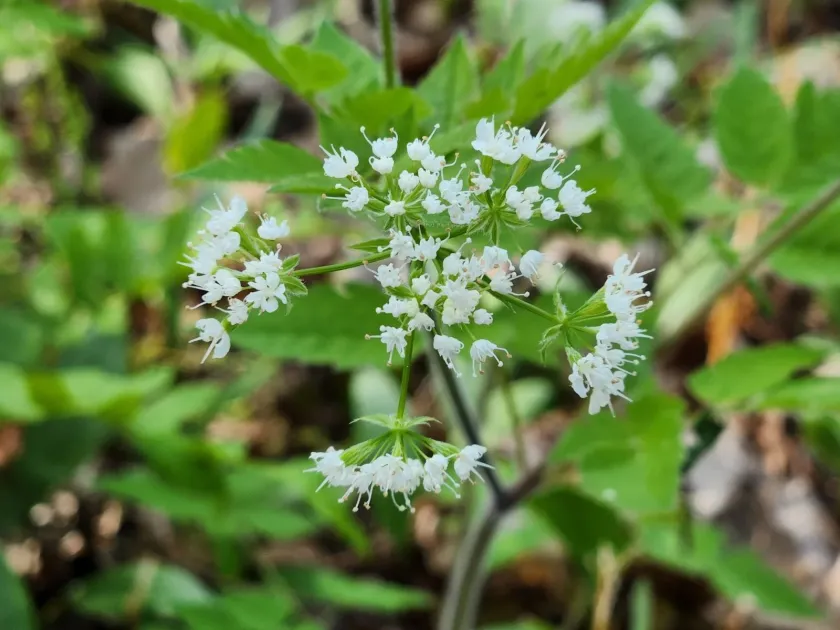
Osmorhiza longistylis, commonly known as aniseroot or long-style sweet cicely, is a perennial herb belonging to the Apiaceae family, native to North America.
Propagation is typically done by seeds, which exhibit physiological dormancy and require a period of cold-moist stratification before they will germinate.
For best results, seeds should be sown in the fall to allow natural winter cooling, or stratified artificially in damp sand at low temperatures for several months.
The seeds should be planted in shallow furrows, covered with a thin layer of fine soil, and kept consistently moist until emergence in early spring.
The initial growth phase is slow, with the plant focusing on establishing a deep, fleshy taproot before producing aerial stems in subsequent years.
Growing requirements
This plant thrives in shady or semi-shady locations, mimicking the woodland habitats of its native range where soil moisture is relatively stable.
Rich, loamy soils that are high in organic matter are ideal for maximizing the development of the roots, which contain the majority of the plant's essential oils.
Proper drainage is essential; while the plant enjoys moisture, it cannot tolerate waterlogged conditions that lead to root rot in the heavy clay soils.
Osmorhiza longistylis is hardy to lower temperatures and performs well in temperate climates, effectively surviving harsh winters without specific protection.
A thick layer of organic mulch helps replicate the forest floor environment, conserving moisture and regulating soil temperatures during the growing season.
Main diseases and pests
The species is generally robust, but susceptibility to fungal infections increases significantly if the plant is grown in areas with poor airflow and high humidity.
Root rot is the most serious threat, often caused by stagnant water, which compromises the integrity of the fleshy root structure.
Slugs and snails can cause cosmetic and physiological damage by consuming fresh leaves, especially when the plants are still in the juvenile stage.
Aphids may occasionally infest the developing umbels and stems; managing these populations early is key to preventing plant stress.
Maintaining a clean growing area by removing decaying leaves and weeds helps reduce the incidence of most common pathogens and keeps the planting healthy.
Harvesting
The primary part harvested is the root, which is highly valued for its strong anise-like fragrance and sweet flavor, often used in herbal teas or culinary preparations.
Harvesting is best conducted in late autumn, once the plant has entered dormancy and the energy reserves are concentrated within the root system.
The roots must be cleaned gently, sliced if necessary, and dried carefully at low temperatures to prevent the loss of volatile essential oils.
Seed harvest should take place when the fruits have fully darkened, ensuring that the seeds are mature enough to be viable for future planting.
Storing the processed material in a dark, cool, and dry environment is critical for maintaining the flavor profile for medicinal or aromatic applications.