
Leiotulus involucratus
Leiotulus involucratus
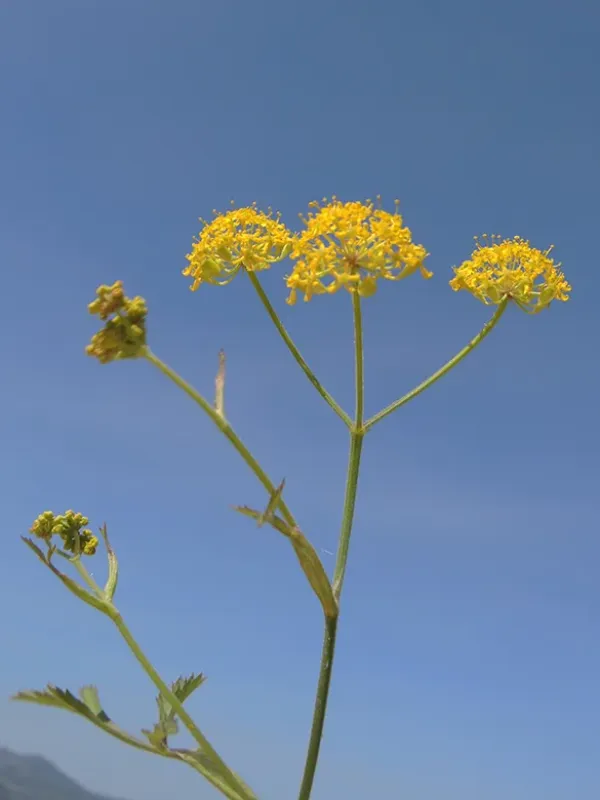
Description
Growing requirements
Leiotulus involucratus is a perennial herbaceous plant belonging to the Apiaceae (Umbelliferae) family. Its natural habitat includes the arid and steppe regions of Central Asia, where it has evolved to thrive in harsh environmental conditions.
The plant is defined by its deep root system, which allows it to access moisture in deep soil layers, and its distinct umbrella-shaped inflorescences, surrounded by a prominent involucre from which it gets its scientific name.
To achieve optimal growth, the species requires well-drained, sandy or loamy soils. It is particularly sensitive to waterlogging, so fields must be selected with adequate slope or soil structure to prevent root damage.
This crop is highly adapted to intense sun exposure and thrives in areas with significant temperature fluctuations. It shows high resilience against drought, making it a potential candidate for semi-arid agriculture systems.
Commercially, the plant is researched for its secondary metabolites. Its chemical profile makes it a subject of interest for essential oil production and botanical extracts used in various industrial applications.
Main diseases and pests
The crop is susceptible to several common fungal pathogens, including powdery mildew and various leaf spot diseases, which typically develop under conditions of high humidity and poor airflow.
Insect pests such as aphids and specific beetle species can cause significant damage to the plant's succulent stems and flowering structures, often leading to yield losses if left uncontrolled.
Effective pest management involves integrated practices, including crop rotation with non-Apiaceae species and the use of targeted biological controls to manage insect populations naturally.
Weed management during the initial growth phase is critical, as Leiotulus involucratus exhibits a slow growth rate in its seedling stage and cannot compete effectively with aggressive weeds.
Regular field inspection is necessary to identify early symptoms of chlorosis or wilting, which often indicate underlying soil health issues or the presence of root-rot pathogens that require immediate intervention.