
Leiotulus secacul
Leiotulus secacul
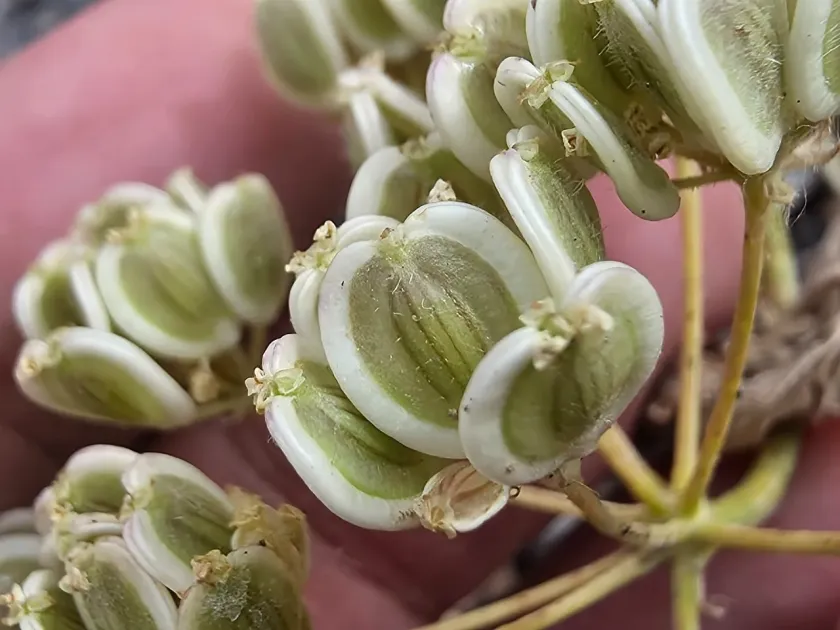
Description
Sowing dates
The sowing process for Leiotulus secacul requires careful preparation to ensure successful germination. It is best to sow seeds in early spring when the soil temperature consistently reaches 8-10 degrees Celsius.
Due to the specific physiological dormancy of the seeds, cold stratification is often recommended before planting. Seeds should be sown at a depth of no more than 2 centimeters to ensure effective emergence.
Standard row spacing for this crop is typically between 45 and 60 centimeters, providing adequate space for leaf rosette development. Consistent spacing is vital for long-term health and air circulation.
Post-sowing management includes keeping the soil surface loose to prevent crusting, which can hinder the delicate seedlings. Adequate moisture must be maintained in the top layer until the plants reach the two-leaf stage.
In field production, using a high-precision seeder can ensure uniform plant density across the plot. Regular scouting should follow the emergence phase to ensure the crop establishes itself properly.
Growing requirements
Leiotulus secacul belongs to the Apiaceae family and is adapted to environments with ample sunlight. It thrives in well-drained, sandy-loam soils that prevent root saturation and rot.
The crop is highly valued for its drought tolerance once the root system is established. However, for maximum biomass or root quality, supplemental irrigation during peak growth stages is beneficial.
Soil pH should ideally remain neutral or slightly alkaline. Acidic soils can significantly impair the nutrient uptake capacity of the roots, leading to stunted overall development.
Nutrient management focuses on balanced phosphorus and potassium applications, which are essential for structural development and metabolic efficiency. Nitrogen application should be moderate to avoid excessive vegetative growth.
Proper field maintenance includes regular mechanical cultivation between rows to manage weeds. Controlling weed pressure is vital during the early establishment phase when the crop is most vulnerable.
Main diseases and pests
The most common disease impacting the crop is powdery mildew, which often appears in stagnant, humid air conditions. Improved ventilation and proper row spacing are the most effective preventive measures.
Pest threats include the umbelliferous moth, which feeds on buds and stems. Regular field scouting is necessary to identify larvae before they cause significant damage to the floral structure.
Root rot represents a severe threat in poorly drained areas. Ensuring proper field leveling and avoiding irrigation in areas prone to pooling can significantly mitigate the risk of fungal infections.
Aphid populations can develop rapidly during the warm season, weakening the plants. Biological control measures, such as introducing beneficial insects, can often keep these populations under control.
Integrated pest management protocols should be followed strictly to protect the quality of the harvest. Avoiding the overuse of broad-spectrum pesticides ensures that natural predators remain active in the ecosystem.