
Leiotulus aureus
Leiotulus aureus
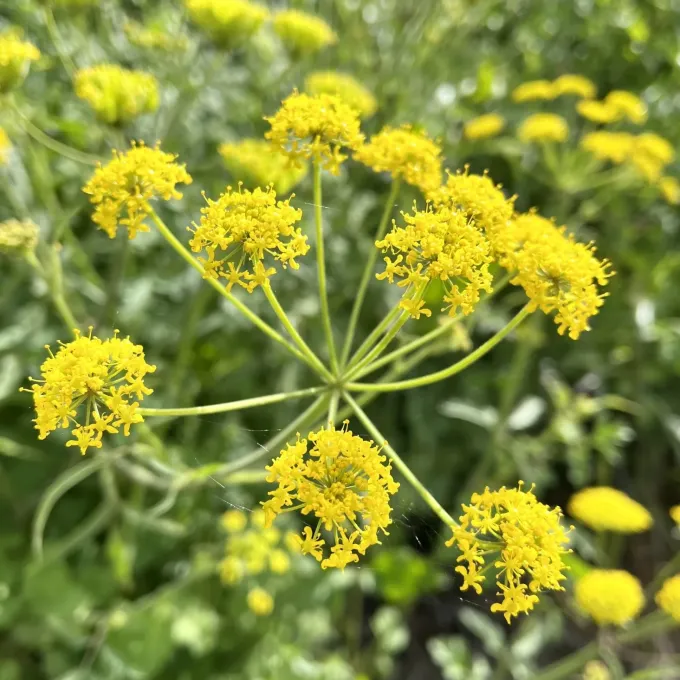
Description
Sowing dates
Leiotulus aureus is a member of the Apiaceae family, native to mountain landscapes. Its biological rhythm is perfectly synced with the early spring awakening of high-altitude ecosystems.
Sowing should be performed when the soil temperature begins to rise, ensuring moisture levels are adequate for the germination of seeds in the top soil layer.
Selecting a location with full solar exposure is critical for the success of this species. The plant requires significant sunlight to complete its full life cycle.
The preparation of the seedbed must involve breaking down large soil clumps, as the seedlings of this species are sensitive to physical barriers in the soil.
Field management includes precise row spacing to prevent the competition for resources, which is vital for the optimal development of the vegetative parts.
Growing requirements
This species thrives in well-drained, rocky, or sandy soils. It is naturally adapted to survive in environments where nutrient availability is limited and conditions are harsh.
Moisture control is paramount; the root system is highly susceptible to rot if water stagnation occurs, especially during the dormant season or early spring.
Leiotulus aureus shows excellent cold hardiness, which is a key characteristic derived from its high-altitude evolutionary origin in Central Asian mountains.
Fertilization regimes should prioritize mineral enrichment that does not encourage excessive lush growth, which can weaken the plant's natural structural integrity.
Maintenance practices like regular hoeing between rows facilitate better oxygen access to the root zone, significantly boosting the plant's overall vitality.
Main diseases and pests
Fungal infections, particularly powdery mildew and root rot, represent the most significant threats to the crop when air humidity levels remain high for extended periods.
Pests such as umbellifer-specific insects can cause severe leaf damage, weakening the plant's capacity for photosynthesis and nutrient accumulation.
- Monitor fields for signs of aphid infestation.
- Implement crop rotation to break pathogen cycles.
- Apply fungicide sprays only when strictly necessary.
Early detection of infestation sites is essential to prevent the rapid spread of insects across the field, as they can migrate quickly during warm days.
Integrated pest management strategies focusing on biological control are generally preferred to maintain the long-term ecological balance of the planting site.