
Lecokia cretica
Lecokia cretica
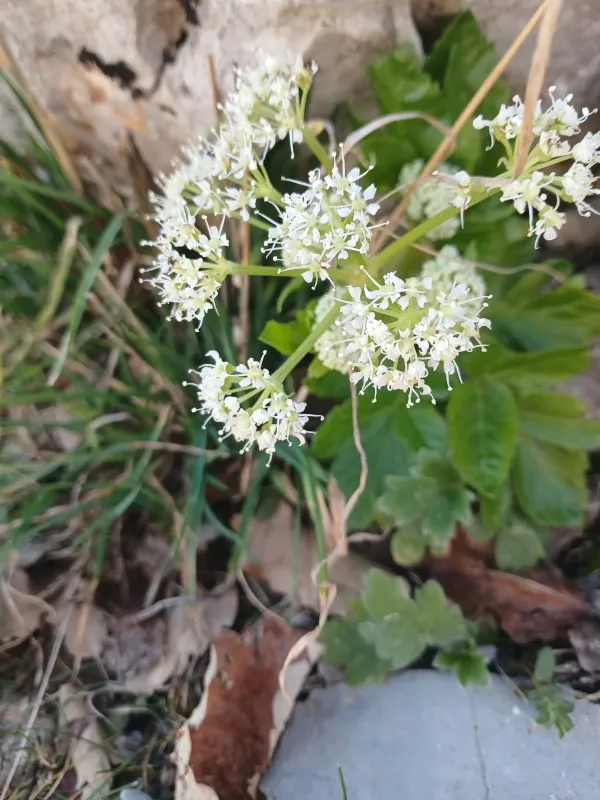
Description
Sowing dates
Lecokia cretica is a rare perennial from the Apiaceae family that performs best when seeds are sown before winter. Stratification of the seeds is a crucial requirement to ensure high germination rates, as the seeds naturally possess a long dormancy period.
Spring sowing is only viable if the seeds are kept in cold conditions, around 2-5 degrees Celsius, for two to three months prior to planting. The sowing depth should not exceed 1-2 centimeters to ensure that the delicate seedlings can easily emerge through the soil layer.
The optimal row spacing for cultivation is between 40 and 60 centimeters, providing the plant with enough space to develop its basal rosette of leaves. Sowing in open ground should be performed in well-lit areas or in locations with partial shade.
During the initial growth stages, Lecokia requires careful weeding, as the plant grows quite slowly and can easily be outcompeted by aggressive weeds. Mulching the soil helps maintain soil moisture levels and prevents the root system from overheating.
Irrigation should be moderate but regular during the active growing season, particularly during dry spring months when the plant is establishing its leafy biomass.
Growing requirements
This plant is adapted to Mediterranean climates and prefers sites with excellent drainage, where standing water is avoided. The ideal soil type includes loamy or sandy substrates rich in organic matter with a neutral pH balance.
The culture has moderate frost resistance; therefore, in regions with harsh winters, it requires protective covering with organic materials. Lecokia cretica does not tolerate waterlogged areas, which can easily trigger root rot and crown decay.
During active growth, Lecokia needs sufficient sunlight, although in extremely hot climates, it benefits from diffused light. The ideal planting site is a slope or area protected from strong prevailing winds.
Soil should be enriched with compost or well-rotted manure before planting to provide sufficient nutrients throughout the growing season. Mineral fertilizers should be limited to light nitrogen applications early in the season to stimulate foliage development.
A biological feature of Lecokia is its ability to adapt to rocky soils, making it a promising candidate for ornamental landscaping in regions where the soil quality is relatively poor.
Yield
The yield of Lecokia cretica is primarily assessed by the volume of vegetative biomass used in phytotherapy and culinary applications. In the first year, the plant focuses on forming a basal leaf rosette, thus the harvesting of raw material is limited.
Peak productivity is achieved in the second or third year when the plant enters the flowering phase and develops strong flower stalks. During this stage, the total biomass quantity increases significantly.
For seed production, the healthiest specimens are kept until the flower heads turn yellow. Harvesting is done manually to prevent seed shattering, as the fruits detach easily from the umbel once they reach maturity.
Economic use involves the roots and leaves of the plant. The root is considered the most valuable part for traditional medicine, and it is usually harvested in autumn after the growing cycle has been completed.
The average yield per square meter strongly depends on the agronomic care provided, typically ranging from 1 to 2 kilograms of raw material per year under optimal conditions.
Main diseases and pests
Like most members of the Apiaceae family, Lecokia cretica is susceptible to powdery mildew, especially in high humidity and poor air circulation. Proper spacing and airflow management are essential preventive measures.
Aphids are the primary pests that damage young inflorescences and leaves by feeding on cell sap. Timely application of biological insecticides helps to manage these infestations effectively.
Root rot can occur due to overwatering or poor drainage, which can lead to the rapid death of the plant. Maintaining proper soil drainage is the primary defense against this condition.
In some seasons, the plants may suffer from cutworm larvae that feed on the leaf tissues. Regular visual monitoring of the plantation allows for the early detection and management of these pests.
Preventive spraying with copper-based fungicides can help reduce the incidence of fungal diseases during rainy periods, ensuring the overall health and safety of the crop.