
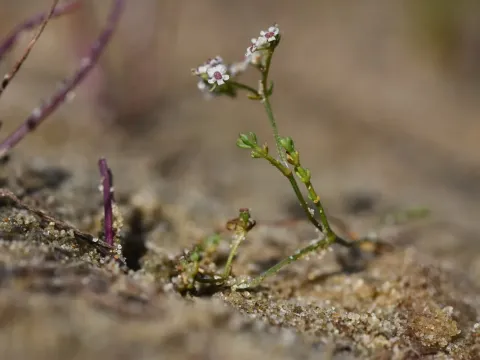
Caropsis
Caropsis
Caropsis belongs to the Apiaceae family and represents a specialized crop that requires precise agricultural management. The sowing process typically commences in early spring, once the soil temperature consistently reaches 8–10 degrees Celsius, ensuring adequate conditions for seed germination.
What the section contains

Caropsis
Successful establishment of the crop depends heavily on soil moisture during the first few weeks. Farmers are advised to use precision seeders to ensure uniform seed distribution and proper depth, which should generally not exceed 2 cm for optimal seedling emergence.
Soil preparation should involve thorough tilling to create a fine-textured seedbed, which is crucial for the development of small seeds. Light rolling after planting is recommended to secure the seeds in the ground and maintain a consistent capillary rise of moisture.
Stratification of seeds may be necessary for some species within the genus to break natural dormancy. Uniform depth and spacing facilitate better weed control and allow for more efficient use of space within the field, promoting healthy plant development.
In regions with fluctuating spring temperatures, it is vital to monitor weather forecasts to avoid frost damage to young, delicate sprouts. Proper irrigation scheduling immediately following sowing provides the best chance for high plant density.
Caropsis thrives in sunny, well-ventilated locations with deep, fertile, and well-drained soils. Loamy or sandy-loam soils are ideal, as they provide the necessary aeration for root systems while preventing waterlogging, which the plant cannot tolerate.
The optimal pH range for this crop is between 6.0 and 7.0. Ensuring that the soil is rich in organic matter and essential nutrients is vital for supporting the rapid vegetative growth that defines the crop's yield potential during the season.
Temperature management is critical; the plant prefers moderate climates and can experience stress during periods of extreme heat. Consistent hydration is essential during dry spells, particularly when the plant is transitioning into its reproductive stage.
Fertilization programs should focus on providing balanced nutrition. Nitrogen-based fertilizers are applied during early growth to promote foliage, while phosphorus and potassium are increased later to strengthen the root system and reproductive health.
Weed control is an essential aspect of the crop's requirements, especially in the early stages when the plants are less competitive. Regular mechanical cultivation between rows helps preserve moisture and reduces the reliance on chemical herbicides.
Fungal diseases are the primary threat to Caropsis, particularly in humid and overcast weather. Powdery mildew and various leaf spot diseases can severely impact the health of the plants if not addressed promptly with preventative fungicide applications.
Root rot, often caused by stagnant water or pathogens in the soil, can decimate a crop. Maintaining good drainage and implementing a robust crop rotation strategy are the most effective ways to mitigate the risk of these soil-borne infections.
Insect pests, such as aphids and carrot flies, pose significant risks to the foliage and root systems respectively. Early detection through regular field scouting is critical for implementing integrated pest management strategies, including the use of targeted insecticides.
Cultural control measures, including the removal of infected plants and surrounding weed hosts, play a major role in preventing the spread of diseases within the field. Ensuring that planting equipment is sanitized helps prevent the cross-contamination of pathogens.
Long-term protection is achieved through a combination of healthy seed selection, appropriate crop rotation cycles, and monitoring environmental factors that influence the life cycle of common agricultural pests.