


Reference · Crops
Carrot
Daucus L.
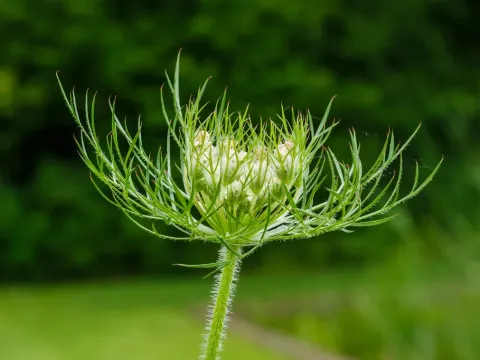
Carrot (Daucus L.) is a biennial root vegetable belonging to the Apiaceae family. It develops a fleshy edible root in the first year and a seed-bearing flower stalk in the second.
1
items
What the section contains
Marketplace
Products in this section · 12

Биоорганическое нано удобрение "НАГРО" / "NAGRO"
LLC NPO "BIOPLAN"
Fertilizers
43
25
1 offer
37.63 €за л
Buy





Carrot
Sowing times are critical for success and vary by region. Early spring sowing begins once the soil temperature consistently reaches 5°C to ensure steady germination.
Late spring or summer sowing is commonly used for long-term storage crops. This timing often helps bypass the peak lifecycle of the carrot rust fly.
Precision sowing is essential for carrots. Seeds are small and should be placed at a depth of 1-2 cm in well-tilled soil with adequate moisture to ensure uniformity.
Proper spacing between rows is necessary to provide enough room for root development and to facilitate mechanized weeding and harvesting processes.
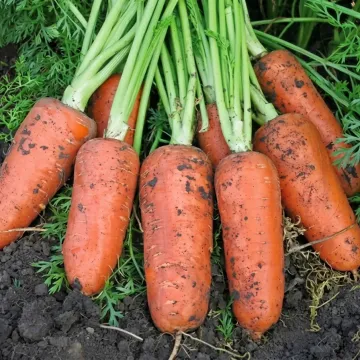
Carrots thrive in deep, loose, sandy loam soils. A well-drained soil structure is vital to prevent root malformation and ensure straight growth of the taproot.
The crop requires full sunlight exposure. While it can tolerate partial shade, maximum yield and sugar content are achieved in conditions with abundant solar radiation.
Optimal temperature for carrot development is between 18°C and 22°C. Extremes in temperature can cause bitter flavors or woody textures in the root structure.
Consistent soil moisture is required, especially during the early germination stage. Drought stress can cause roots to become stunted or develop secondary side roots.
Balanced fertilization is key; excessive nitrogen promotes lush leaf growth at the expense of root development and can cause splitting of the carrot skin.
The carrot rust fly is the most notorious pest. Its larvae tunnel into the root system, causing significant damage that makes the harvest unmarketable.
Sclerotinia rot, commonly known as white mold, is a major fungal disease that can destroy carrots in both the field and during long-term storage.
Alternaria leaf blight causes dark brown spots on the foliage. If left unmanaged, it can lead to total defoliation and drastically reduce root yield.
Cavity spot is a soil-borne disease caused by Pythium fungi, resulting in small sunken lesions on the carrot skin, which lowers the overall crop quality.
- Practicing crop rotation to break pest and disease cycles.
- Selecting resistant cultivars adapted to local growing conditions.
- Implementing efficient weed control to minimize competition for nutrients.
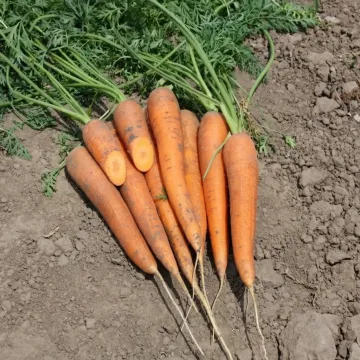
Harvesting should be timed based on the intended market or usage. Early varieties are pulled as soon as they reach a marketable size for bunching.
For storage carrots, the roots are harvested in late autumn before the soil freezes. The crop should be pulled when the foliage begins to show slight yellowing.
Immediately after harvest, the tops must be trimmed to the crown. Removing the leaves prevents transpiration, which keeps the roots crisp during storage.
Care must be taken to avoid bruises during mechanical harvesting. Damaged carrots are highly susceptible to secondary infections and rapid decay in storage.
Post-harvest curing in a cool, ventilated area helps seal minor skin abrasions, improving the overall shelf life and quality of the stored produce.