
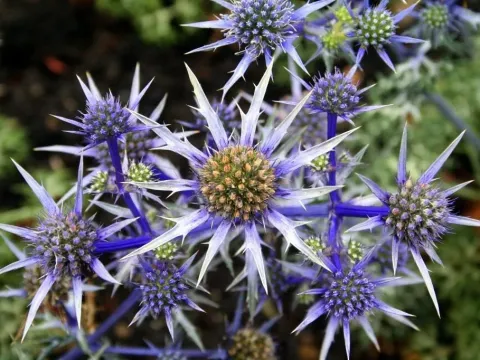
Sea holly
Eryngium hybrids
Sowing seeds of Eryngium hybrids directly into the open ground is best performed in late autumn, allowing the seeds to undergo natural stratification during the winter months.
What the section contains
Sea holly
If spring sowing is preferred, seeds must be artificially stratified by keeping them at temperatures between 0 and 5 degrees Celsius for at least four weeks to ensure germination.
Starting seeds in modules or pots indoors during March is a common practice, providing a controlled environment that significantly improves the success rate for young seedlings.
Seedlings should be transplanted to their final location once they have developed a few true leaves, maintaining a spacing of about 40 to 50 centimeters to allow for healthy air circulation.
The optimal time for transplanting to the field is late spring, ensuring that the plants are well-established before the onset of the summer heat and potential moisture stress.
Eryngium hybrids belong to the Apiaceae family and are distinguished by their architectural foliage and striking, thistle-like blooms that add unique texture to any garden landscape.
These plants thrive in full sun exposure, which is crucial for developing the intense metallic blue coloration that is highly sought after in modern horticultural and floral industries.
Well-drained soil is a strict requirement for the health of this species; they perform best in sandy or gravelly soil types that prevent water from accumulating around the taproot.
Once established, Eryngium is remarkably drought-tolerant, though supplemental irrigation during the first year of growth is vital to build a robust and deep root system.
Fertilization should be kept to a minimum; overly rich soils encourage soft, weak growth that is prone to lodging and reduced winter hardiness in cooler climate zones.
Root rot is the most common threat to Eryngium hybrids, typically caused by poor soil drainage or excessive irrigation, particularly during periods of high humidity or rainfall.
Powdery mildew can infect foliage if plants are overcrowded, necessitating prompt thinning or the application of preventative fungicides during periods of damp, stagnant air.
Pests such as aphids and spider mites can occasionally colonize the plants, causing visible damage to the leaves and flower heads, which requires monitoring and mild insecticidal intervention.
In wet springs, snails and slugs can be problematic for young shoots; applying a layer of grit around the crown can effectively deter these pests and prevent mechanical damage.
Regular sanitation of the planting area by removing dead debris is essential to reduce the risk of overwintering pathogens and to maintain the overall vigor of the perennial clumps.
The primary agricultural use of Eryngium hybrids is as a specialty cut flower, valued for its long-lasting qualities and unique appearance in both fresh and dried floral arrangements.
Harvesting should occur when the flower heads have achieved full color intensity, which ensures that they retain their structure and aesthetic appeal during the drying process.
To produce high-quality dried stems, they should be bundled and hung upside down in a dark, cool, and well-ventilated room to prevent color fading and stem wilting.
Roots may be harvested in late autumn for herbal usage, which requires thorough cleaning and dehydration under controlled conditions to preserve the active compounds within the plant tissues.
Properly cured specimens remain attractive for several months, making Eryngium a profitable crop for growers aiming at the niche market of high-end floral design and decoration.