
Carpathian hogweed
Heracleum carpaticum
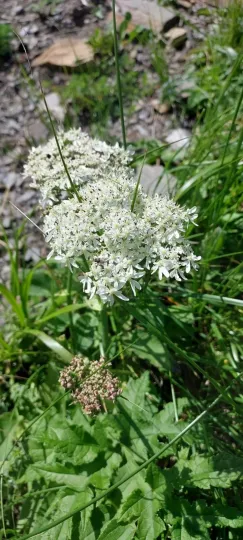
Description
Growing requirements
Carpathian hogweed (Heracleum carpaticum) is a perennial herbaceous plant belonging to the Apiaceae family. It is a distinct species native to the mountain ranges, characterized by specific ecological adaptations.
The plant thrives in moist, humus-rich loamy soils that provide a stable nutrient supply. It is naturally adapted to the alpine and subalpine zones, requiring cool ambient temperatures and significant precipitation.
In cultivation, it requires sites that mimic its natural habitat. Proper drainage is essential to prevent root rot, especially during the spring melt when soil moisture levels are significantly elevated.
The species is highly resilient to frost and low temperatures, which is a major advantage for cultivation in higher altitude agricultural zones where many other fodder crops fail.
It prefers areas with neutral to slightly acidic pH levels. Consistent moisture availability is the most critical factor for ensuring vigorous growth and high biomass production throughout the season.
Harvesting
The primary agricultural utility of Carpathian hogweed lies in its use as a fodder crop. It provides high-quality forage that is rich in essential nutrients necessary for livestock health in mountain regions.
Harvesting should be timed to coincide with the budding phase, which ensures the best balance between protein content and digestibility. Delaying harvest beyond the flowering stage significantly reduces the feed quality.
For large-scale management, mechanical harvesting methods are employed. Multiple cuts per season are possible if the soil fertility is maintained at adequate levels through organic fertilization.
Post-harvest management is crucial; the plant material must be dried properly to avoid mold growth, given its high initial water content and succulent stem structure.
Beyond animal feed, limited harvesting for botanical and medicinal applications is performed, focusing on specific leaf and root collection cycles to maintain the sustainability of the perennial stands.