
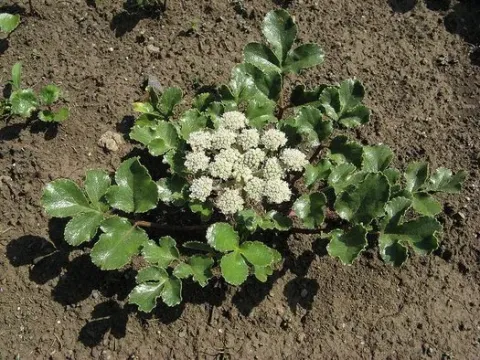
Glehnia
Glehnia
Sowing Glehnia seeds is most effective when done in late autumn. The seeds require a cold stratification period to break dormancy and ensure high germination rates when temperatures rise in the spring.
What the section contains

Glehnia
In a field setting, seeds should be sown at a depth of 1–2 cm. It is essential to maintain consistent soil moisture during the germination period, although excessive waterlogging must be avoided to prevent seed rot.
For optimal results, choose a planting site that mimics the natural coastal habitat: loose, sandy soil with excellent drainage. This ensures the seeds have the right environment for early root development.
If using a seedling method, start seeds indoors in sandy containers about two months before the last frost. This technique can lead to stronger initial growth, especially in regions with unpredictable spring weather.
Space the rows 45–60 cm apart, with individual plants placed 20–25 cm apart within the rows. Proper spacing is crucial to prevent competition for resources and to facilitate future maintenance and harvesting.
Glehnia is a perennial herb belonging to the Apiaceae (carrot) family. Native to coastal dunes, it is highly adapted to sandy, saline environments, making it a unique crop for specific soil types.
The plant thrives exclusively in well-drained, sandy, or light loamy soils. It cannot tolerate heavy clay or stagnant water, as these conditions lead to rapid decay of the taproot system.
Full sun is a critical requirement for Glehnia. The plants require high light intensity to promote the synthesis of essential oils and bioactive compounds within the roots, which are the main harvestable part.
Water requirements are moderate. While the plant is drought-tolerant, supplemental irrigation may be necessary during long dry spells in the first year of growth to establish deep root systems.
Fertilization should be managed carefully. A moderate application of phosphorus and potassium-based fertilizers supports root health and nutrient accumulation without promoting excessive foliage growth at the expense of the root.
Root rot and various fungal pathogens, such as Fusarium, represent the primary threats to Glehnia. These infections are almost always triggered by poor drainage or excessive soil moisture during the growing season.
Soil-borne pests like nematodes can cause significant damage to the taproots, creating wounds that invite secondary fungal and bacterial infections. Maintaining soil health is essential to reducing pest pressure.
Crop rotation is vital. Glehnia should not follow other members of the Apiaceae family, as this practice leads to the buildup of soil-borne pathogens specifically targeting the crop.
Regular weeding and shallow cultivation between rows are recommended. This improves soil aeration, which helps keep the root zone dry enough to inhibit the development of common fungal diseases.
If an outbreak occurs, identify affected plants and remove them promptly. Use approved biological fungicides as a preventive measure, ensuring all interventions align with organic or sustainable farming standards.
The harvest of Glehnia roots typically occurs during the second or third year of growth. By this stage, the roots have accumulated sufficient bioactive compounds, including coumarins and essential oils, for medicinal use.
Harvesting should be done in the autumn when the plant enters dormancy. At this point, the energy reserves are concentrated in the roots, providing the best quality and concentration of active substances.
Specialized root-harvesting machinery is recommended to gently lift the roots from deep in the sand. Manual harvesting is possible on small scales but must be done with caution to avoid breaking the brittle roots.
Once harvested, roots must be washed immediately to remove all sand and debris. Gentle cleaning is necessary to maintain the integrity of the root skin, where many active compounds are concentrated.
The final step is careful drying in a well-ventilated area away from direct sunlight. Once dried to a consistent moisture level, the roots are stored in a cool, dry place until they are ready for processing.