
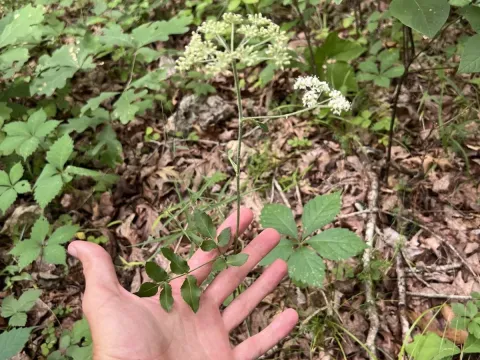
Hairy angelica
Angelica venenosa
Hairy angelica (Angelica venenosa) is a member of the Apiaceae family. This perennial herb is primarily native to the eastern parts of North America, where it thrives in dry woodlands, open meadows, and rocky outcroppings, demonstrating high adaptability to various ecological niches.
What the section contains
Hairy angelica
Botanically, the plant is distinguished by its stout, hairy stems and large, compound leaves. Its root system is relatively deep, allowing the plant to sustain itself during short periods of summer drought, which is a common characteristic of its native habitat.
Environmental conditions for successful growth require well-drained soils that avoid waterlogging. While it can tolerate partial shade, it performs optimally in areas with full to moderate sunlight exposure, which stimulates the production of characteristic phytochemical compounds.
Soil requirements involve a preference for loamy or sandy substrates with neutral to slightly acidic pH levels. The plant does not require heavy fertilization; however, incorporating organic matter into the planting site before sowing significantly improves its overall vigor and growth rate.
Agronomic practices focus on maintaining proper air circulation around the base of the plant. Given its growth habit, spacing between individuals should be sufficient to prevent the microclimate from becoming too humid, which is essential for long-term survival of the species.
The plant is susceptible to various fungal pathogens when cultivated in poorly ventilated environments. Powdery mildew is the most common issue, appearing as white patches on leaves, which reduces the plant's capacity for efficient photosynthesis during the peak season.
Pests such as aphids and leaf-miners represent a significant threat to Angelica venenosa. These insects feed on sap and leaf tissue, respectively, weakening the plant's structure and potentially introducing viral pathogens into the plant system.
Root rot, often caused by Pythium or Phytophthora species, is a critical risk in waterlogged soil. Once symptoms appear at the base of the stem, it is often too late to treat the individual plant, making preventive drainage management the primary defense strategy.
Weed competition is another major threat during the seedling stage. Young plants are slow-growing and can easily be overtaken by more aggressive invasive weeds, requiring manual weeding or mulching to ensure the plants have enough resources to establish a strong root system.
To manage these threats, farmers and researchers should implement integrated pest management (IPM) practices. This includes rotating crops every few years and removing infested debris from the field to disrupt the life cycles of common pests and pathogens.