
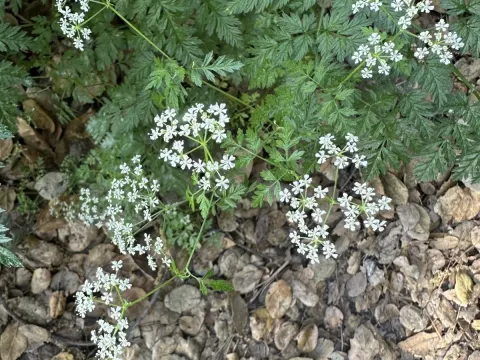
Hedgeparsley
Torilis
The genus Torilis, commonly known as hedgeparsley, belongs to the Apiaceae family. These plants are typically herbaceous annuals characterized by fine, pinnately compound leaves and complex umbel inflorescences typical for the carrot family.
What the section contains


Hedgeparsley
Originating primarily from the Mediterranean region, species of Torilis have adapted to various environments across Eurasia and North Africa. They are often found in fields, hedgerows, and meadows, thriving in disturbed soils where sunlight is abundant.
The soil requirements for hedgeparsley involve well-drained, fertile environments, although they are known to tolerate a range of pH levels. They perform best in moderate climates, requiring stable moisture during the initial growth stages to establish a strong root system.
Agronomic management includes maintaining adequate spacing to prevent excessive competition. The seeds of Torilis possess small, stiff bristles that allow them to attach to surfaces, which is a key mechanism for their dispersal in agricultural landscapes.
In terms of usage, these plants are often seen as biodiversity-promoting elements. By providing nectar and pollen, they support populations of predatory wasps and bees, which can be beneficial in integrated pest management strategies for surrounding crops.
The most significant threats to Torilis populations include fungal pathogens such as powdery mildew, which thrive in humid conditions. The symptoms typically involve a white, powdery coating on foliage that hinders the plant's photosynthetic capacity.
Pests such as the umbellifer moth larvae are major concerns, as they target the floral parts of the plant. This damage can severely impact seed production and the overall health of the plant population if not monitored closely.
Aphid infestations are also common, causing stunted growth and leaf curling. These insects also act as vectors for various plant viruses, which can lead to systemic diseases that are difficult to manage once established in the field.
Effective control measures include cultural practices such as regular weeding and the maintenance of clear field margins. Crop rotation is also essential to break the life cycles of specific pests associated with Apiaceae species.
For sustainable management, promoting the presence of natural enemies like ladybirds and hoverflies is recommended, as they provide effective biological control against aphids and other soft-bodied pests that frequently target this genus.