
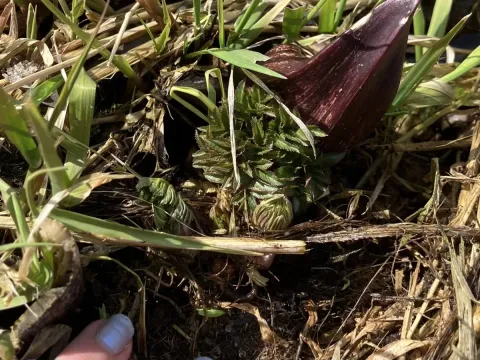
Alexanders-angelica
Angelica atropurpurea
Angelica atropurpurea, commonly known as Alexanders-angelica, is a member of the Apiaceae family. It is typically a biennial or short-lived perennial herb that requires specific conditions for successful germination.
What the section contains
Alexanders-angelica
Sowing should ideally take place in the autumn, allowing the seeds to undergo natural stratification, which is critical for breaking seed dormancy and ensuring uniform emergence.
For spring sowing, seeds must be artificially stratified by placing them in a cold environment at temperatures between 2°C and 5°C for several weeks prior to planting.
Seeds are sown shallowly in moist, nutrient-rich soil, with sufficient spacing to accommodate the plant's eventual size, which can reach up to two meters in height.
During the early seedling stage, it is vital to maintain consistent soil moisture, as the young plants are sensitive to drought and competition from invasive weeds.
The plant thrives in moist, rich, loamy soils that provide adequate drainage while maintaining high moisture levels throughout the growing season.
It prefers partial shade environments and is best suited for planting in locations protected from intense, direct sunlight and harsh, drying winds.
Water availability is the primary factor for successful cultivation, as the plant naturally grows in wetlands, marshes, and riverbanks in its native habitat.
The soil should have a neutral pH and be amended with organic matter such as compost or leaf mold to ensure optimal nutrient availability for vigorous growth.
Good air circulation is necessary to support plant health and prevent the development of physiological stress or fungal infections during periods of high humidity.
The species is susceptible to various fungal pathogens, particularly powdery mildew and root rot, which are often triggered by waterlogged soil or poor ventilation.
Common pests include aphids and mites, which can infest the succulent foliage and flower stems, potentially reducing the overall vigor of the crop.
Integrated pest management strategies, such as physical barriers and the promotion of beneficial insects, are recommended over heavy chemical application.
Maintaining proper spacing between plants significantly reduces the risk of disease spread and helps ensure that each plant has access to necessary resources.
Early detection through frequent field inspections is the most effective approach to managing pest outbreaks and maintaining crop productivity.
Roots are typically harvested at the end of the first growing season or early in the second year, depending on the specific end-use requirements of the producer.
Aerial parts, including leaves and flowering stems, should be collected at the peak of the flowering period to capture the highest concentration of essential oils.
Harvested material must be dried in a well-ventilated, shaded area at low temperatures to preserve the volatile compounds that give the plant its characteristic aroma.
Properly cured and stored, the raw material can be used in pharmaceutical applications, as a flavoring agent in the beverage industry, or for ornamental purposes.
The plant has a long history of utilization in traditional medicine, making it a valuable specialty crop for growers focused on high-quality botanical ingredients.