
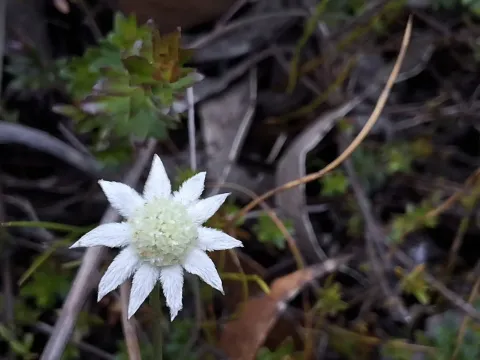
Actinotus minor
Actinotus minor
Actinotus minor, commonly known as the Lesser Flannel Flower, is a fascinating member of the Apiaceae family. Propagation primarily relies on seeds, which require specific environmental cues to germinate successfully.
What the section contains
Actinotus minor
Seed sowing is best performed during the spring season. The seeds benefit from light stratification, simulating the natural cycle of the Australian bush, and should be sown on the surface of a light, sandy substrate.
Light is essential for the germination of Actinotus minor seeds; therefore, they should not be deeply buried. Maintaining a consistent, well-ventilated, and moderately warm environment is crucial for optimal results.
In a nursery setting, using sterile, well-draining potting mixes is recommended to avoid damping-off diseases. Since the plant is naturally adapted to nutrient-poor soils, the sowing medium should be kept strictly low in fertilizers.
The germination process can be slow and irregular, requiring patience. Once seedlings emerge, they should be protected from extreme heat and direct drafts while ensuring they receive adequate filtered light.
The plant thrives in full sun exposure. In its native habitat, Actinotus minor grows in open, sunny areas where it receives high levels of solar radiation throughout the day, essential for its vigorous growth.
Soil requirements are highly specialized: the plant demands extremely well-draining, acidic, and nutrient-poor soils. Heavy soils or those high in organic matter are generally unsuitable for its long-term survival.
Water management is critical. The plant prefers consistent but light moisture, and the roots should never sit in stagnant water. Effective drainage is the most important factor in preventing root rot.
Regarding fertilization, Actinotus minor is sensitive to high levels of phosphorus. It is generally recommended to avoid applying standard phosphorus-rich fertilizers, as they can be toxic to the plant's delicate root system.
The ideal climate for this species includes moderate humidity and excellent airflow. It struggles in regions with high heat combined with excessive humidity, which can lead to fungal issues and rapid plant decline.
Fungal pathogens, particularly Phytophthora species, represent the most significant threat to the health of the plant. These often emerge when soil aeration is poor or drainage is inadequate, leading to fatal root decay.
Pests such as mealybugs and aphids can occasionally infest the foliage, particularly in greenhouse environments with limited air circulation. Monitoring and prompt, gentle treatment are necessary to manage infestations.
Nematodes in the soil can damage the root system, hindering the plant's ability to take up water and nutrients. Proper sanitation and the use of sterile growth media are the best methods of prevention.
Leaf chlorosis is frequently observed when the plant is irrigated with hard or alkaline water. The pH level of the irrigation source should be carefully monitored to match the plant's preference for acidic conditions.
Physical trauma to the root system is another concern. The fine roots of Actinotus minor do not recover well from disturbances, making frequent repotting or aggressive soil cultivation harmful to the plant's stability.