
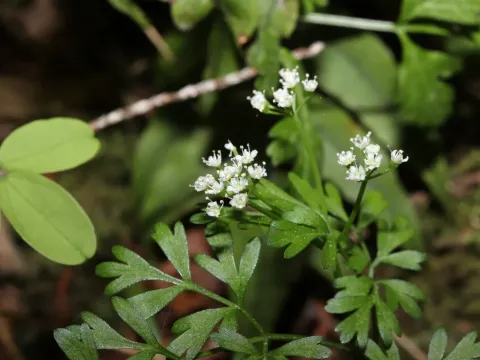
Aegopodium decumbens
Aegopodium decumbens
Aegopodium decumbens is a herbaceous perennial plant belonging to the Apiaceae (parsley) family. While often overshadowed by its common relative, Aegopodium podagraria, this species exhibits distinct biological traits that make it a subject of interest in specialized horticultural and agricultural studies.
What the section contains
Aegopodium decumbens
The plant thrives in moist, humus-rich soil conditions. In its natural habitat, it prefers shaded or semi-shaded environments, such as forest margins or riparian zones, where it is protected from intense, direct solar radiation that can damage its delicate foliage.
Regarding soil requirements, this crop demands a medium that is consistently moist but possesses good drainage capabilities. Soils with high organic matter content are preferred to support the rapid vegetative growth that the species displays during the spring and early summer months.
Climatically, it is well-adapted to temperate regions. It is highly winter-hardy and can withstand frost, making it suitable for northern growing zones. The key to successful cultivation is maintaining stable soil moisture during the transition periods between seasons.
Cultivation techniques involve maintaining a loose soil structure through regular shallow tilling. Supplemental irrigation during dry spells is essential, as the species lacks significant drought resistance due to its ecological origins in damp, forest-like environments.
The crop is susceptible to several fungal diseases, primarily powdery mildew, which can become prevalent if planting density is too high. Proper air circulation within the canopy is the primary non-chemical method to prevent these pathogen outbreaks.
Insect pests, including various aphids and larvae of Apiaceae-specific moths, can cause significant damage. These pests tend to target the soft, growing stems and leaves, which can lead to stunted growth and reduced overall plant vitality if not managed early.
Preventive measures include implementing proper spacing between rows to reduce humidity build-up at the soil level. A robust scouting program for early signs of leaf discoloration or insect activity allows for targeted, efficient interventions rather than broad-spectrum treatments.
Soil-borne pathogens represent another threat, particularly in poorly drained soils where root rot can occur. Ensuring that the site is well-drained and using sterile planting materials are critical steps in establishing a healthy and long-lived stand of Aegopodium decumbens.
Integrated pest management (IPM) strategies, utilizing both mechanical weeding and biological control agents, are recommended. This approach ensures that the crop remains free from harmful chemical residues, which is essential for its potential use as a high-quality botanical or culinary resource.