
Pentaspadon motleyi
Pentaspadon motleyi
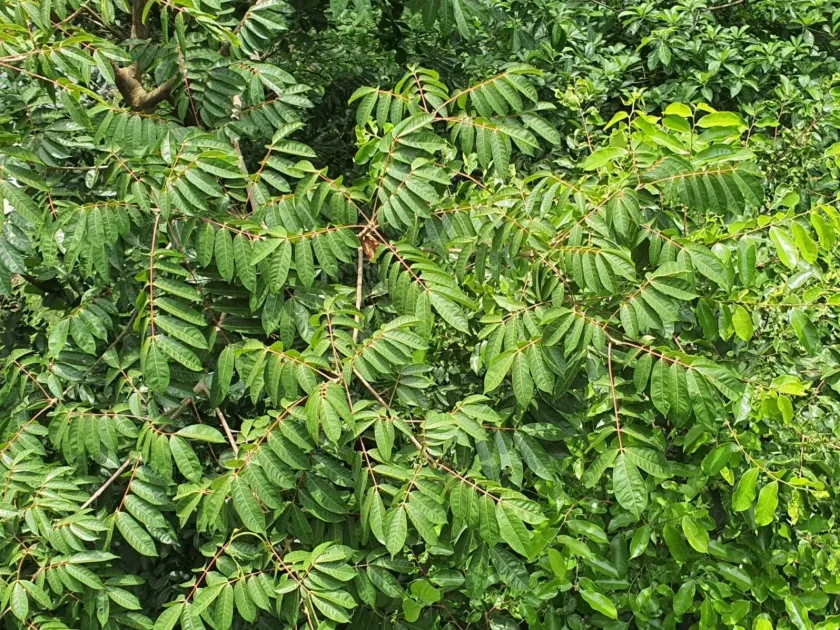
Description
Sowing dates
Propagation of Pentaspadon motleyi is primarily achieved through seeds, which exhibit a relatively short lifespan after harvesting. It is crucial to sow freshly collected seeds in well-drained nursery beds to ensure optimal germination rates.
The sowing period is typically aligned with the onset of the rainy season, providing consistent natural moisture essential for seedling emergence. Using containers filled with a sandy humus mix facilitates easier transplanting without damaging the sensitive root systems.
Temperatures during the germination phase should ideally range between 25 and 30 degrees Celsius. While moisture is necessary, waterlogging must be strictly avoided to prevent seed decay, necessitating a substrate with excellent aeration properties.
Young seedlings require partial shade during their first year to prevent desiccation from direct tropical sunlight. As they mature, the shade cover is gradually removed to acclimate the plants to full sun conditions before they are permanently transplanted.
Maintaining proper spacing in the nursery ensures that each seedling develops a strong, balanced structure, which significantly improves the survival rate during the subsequent plantation establishment phase.
Growing requirements
As a member of the Anacardiaceae family, Pentaspadon motleyi thrives in humid tropical forest conditions. It prefers deep, nutrient-rich alluvial soils with a neutral to slightly acidic pH level for maximum development.
Climate requirements for this species include high average temperatures and abundant annual rainfall without prolonged dry seasons. The tree is quite tolerant of temporary waterlogging, making it a viable candidate for cultivation in low-lying, riverine areas.
Adequate sunlight is essential for the healthy development of the canopy, although juveniles can withstand light forest shade. Open-field cultivation provides better illumination, which encourages more prolific flowering and fruiting as the tree reaches maturity.
Regular maintenance of the soil, including weed control and the application of organic fertilizers, is vital during the early growth years. This practice ensures that the tree acquires the necessary nutrients for rapid biomass production.
Understanding the local hydrological regime is critical when selecting a planting site, as the tree's health is closely linked to its ability to access consistent moisture while avoiding stagnant water conditions.
Yield
Pentaspadon motleyi is primarily valued for its edible kernels, which contain high-quality oils and fats. These nuts are often utilized in local diets and have potential for broader commercialization in the global nut industry.
The timber produced by this tree is highly esteemed for its attractive grain and durability. It serves as an excellent material for high-end furniture manufacturing, interior flooring, and various woodworking applications.
Secondary products include oils extracted from the seeds, which have chemical properties suitable for food processing and cosmetic formulations. Research suggests that these oils possess high concentrations of beneficial fatty acids.
Productivity typically begins to stabilize between 8 and 10 years after planting, with the tree capable of providing consistent annual harvests for several decades if properly managed in a plantation setting.
Harvesting efficiency is paramount for maximizing economic returns. Implementing standardized collection and post-harvest processing techniques ensures that the nuts retain their nutritional quality and market value.
Main diseases and pests
The primary threats to this culture are fungal diseases targeting the root system, often exacerbated by poorly drained or compacted soil conditions. Root rot can significantly stunt growth or lead to the mortality of young plants.
Various insect pests, including borers and caterpillars, can damage foliage and developing fruit, necessitating integrated pest management strategies. Early detection through regular plantation monitoring is key to preventing widespread infestations.
Competition from aggressive weed species can severely impede the growth of young trees by depriving them of light, water, and nutrients. Frequent weeding or the use of living mulches is necessary to protect the tree during its vulnerable stages.
Mechanical damage to the bark or trunk can introduce secondary infections, highlighting the need for careful pruning and maintenance practices. The application of wound sealants is recommended whenever large branches are pruned.
Climate change and shifts in rainfall patterns represent long-term risks, as they can stress the trees and increase their susceptibility to opportunistic pathogens and pests common in tropical ecosystems.
Harvesting
Harvesting Pentaspadon motleyi requires careful timing, as the nuts should be collected once they naturally reach maturity and fall from the tree. Using proper tools can help minimize physical damage to the fruit during the collection process.
Workers must wear protective equipment, as certain tissues of the tree contain compounds that can cause skin irritation upon contact. Proper safety protocols are essential for ensuring both worker well-being and product quality.
After collection, the nuts must be cleaned and de-husked promptly to prevent the development of mold or rancidity. Initial drying in ventilated areas is critical to lowering moisture content to levels suitable for long-term storage.
Transporting the harvest requires well-ventilated crates to prevent heat buildup and maintain the freshness of the kernels. Proper logistics are vital to ensure that the yield reaches processing facilities in good condition.
Refining harvesting techniques through mechanization and improved drying methods can significantly reduce post-harvest losses. This attention to detail results in a higher-grade end product ready for competitive market entry.