
Pleiogynium
Pleiogynium
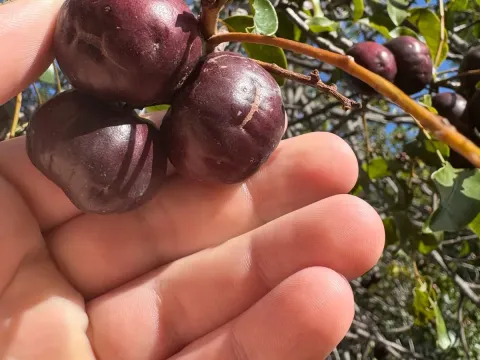
Pleiogynium (Pleiogynium timorense) is a distinctive evergreen tree belonging to the Anacardiaceae family. It is commonly referred to as the Burdekin plum, native to the tropical rainforests of Australia and nearby Pacific islands.
What the section contains

Pleiogynium
This species thrives in tropical and subtropical climates where temperatures remain warm year-round. It requires a sunny, frost-free location to reach its full potential as a specimen tree.
The plant is highly adaptable to various soil types, although it performs best in deep, fertile soils with excellent drainage. It is notoriously intolerant of waterlogged conditions, which can lead to rapid root decline.
During the establishment phase, consistent moisture is essential for rapid growth. Once fully matured, the tree exhibits significant drought tolerance, making it a robust choice for certain landscaping projects.
Maintenance involves periodic pruning to shape the canopy and remove dead wood, which helps sustain the plant's health and aesthetic appeal in managed orchard settings.
The Burdekin plum is the primary product of this tree. The fruit is fleshy and tart, often requiring a period of post-harvest ripening or processing to achieve the best culinary quality for preserves and jellies.
The culinary applications of the fruit include jellies, jams, and sauces. Its high natural pectin content makes it highly valued by artisanal producers seeking natural thickeners for their fruit products.
Apart from the fruit, the wood of Pleiogynium timorense is known for its high density and beautiful grain. It is often harvested for small-scale woodworking projects and fine decorative carvings.
The tree serves an important ecological role, providing food and shelter for various avian species, which often consume the fallen fruit, aiding in seed dispersal.
While not a major global commercial crop, it is gaining interest in niche markets focused on native tropical produce and sustainable agroforestry practices.
The main pests affecting Pleiogynium are fruit flies, which can compromise the quality of the harvest if not managed properly during the peak ripening season.
Fungal infections can occur in areas with poor air circulation or excessive rainfall. These issues are often secondary to improper site selection or lack of adequate pruning.
Scale insects and aphids may occasionally infest young shoots. Keeping the tree vigorous through balanced fertilization and proper irrigation is the best defense against these infestations.
Root rot remains the most significant threat to the tree's long-term survival, usually resulting from heavy soils that hold too much water for extended periods.
Monitoring the foliage for signs of discolouration or wilting is recommended to ensure early detection of potential stresses or pathogen outbreaks.