
Blackiella
Blackiella
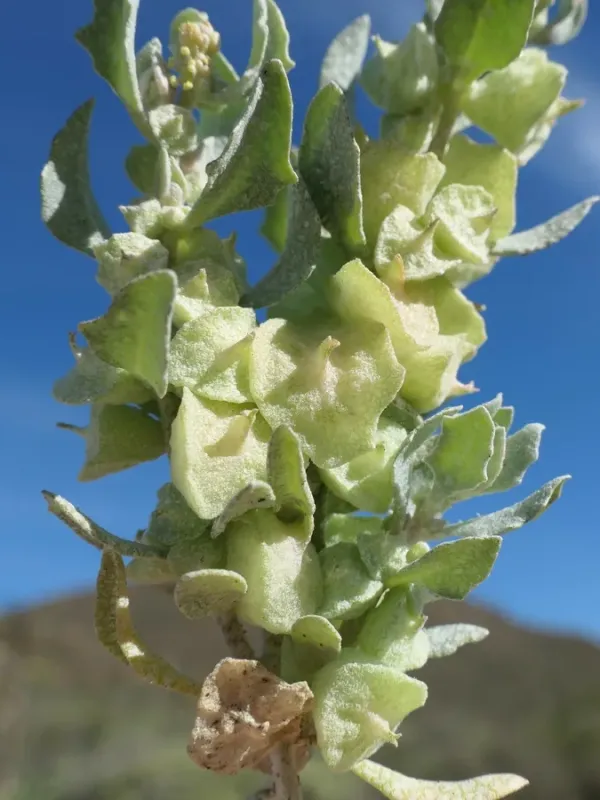
Description
Growing requirements
Blackiella is a genus of plants belonging to the Amaranthaceae family. It consists of hardy, shrubby halophytes that are biologically adapted to thrive in highly saline environments where conventional crops fail to germinate or survive.
The origin of Blackiella is linked to the arid regions of Australia. The plant has evolved to withstand low rainfall and soils with high concentrations of chlorides, making it an essential component of unique desert ecosystems.
Regarding soil requirements, the plant prefers substrates with high pH levels and high salinity. Its physiological adaptation includes mechanisms to compartmentalize ions, which allows the plant to maintain water balance under extreme osmotic stress.
Climate conditions for Blackiella cultivation require significant solar irradiance and heat. It is highly resistant to drought and can survive long periods of water deficit, which is characteristic of its native habitat.
Agricultural management of this crop requires minimal synthetic inputs. It is considered a low-maintenance plant, suitable for restoring degraded land rather than intensive commercial agricultural production.
Yield
The primary agricultural use of Blackiella is forage production. It serves as a vital nutrient source for livestock in semi-arid areas, providing essential minerals and proteins that are often lacking in other desert vegetation.
The biomass productivity is directly correlated with environmental conditions, particularly soil salinity and rainfall distribution. While not as high-yielding as irrigated crops, its stability in harsh climates is unmatched.
Farmers utilize the plant for sustainable grazing programs. Its ability to regenerate after being grazed makes it a reliable asset for managing livestock in regions with limited vegetation cover.
Beyond animal nutrition, Blackiella plays a key role in land restoration. By providing ground cover on saline soils, it helps to mitigate wind erosion and improve the overall stability of the soil structure.
Future potential lies in the selection of elite varieties aimed at enhancing nutritional quality and dry matter production, which could potentially expand the area of its cultivation in other salt-affected regions.
Main diseases and pests
The main threat to Blackiella populations is overgrazing. Uncontrolled livestock pressure can destroy the vegetative structure and prevent the plant from flowering and setting seeds, leading to a decline in density.
Insects that specialize in halophytic flora represent the primary biological threat. These pests can significantly reduce the photosynthetic surface area during peak growing seasons.
Pathogen resistance is generally high due to the chemical composition of the tissues. However, in atypical, high-moisture seasons, fungal infections on the stems can occur, though these are rarely economically devastating.
Competition from invasive fast-growing weeds can pose a threat, particularly during the seedling stage when the plant is establishing its root system in the saline substrate.
Environmental factors, such as severe soil erosion, can lead to root exposure and plant death. Ensuring adequate ground cover and managing livestock density are the best defensive strategies against these threats.