
Sugar beet
Beta vulgaris Leaf Beet Group
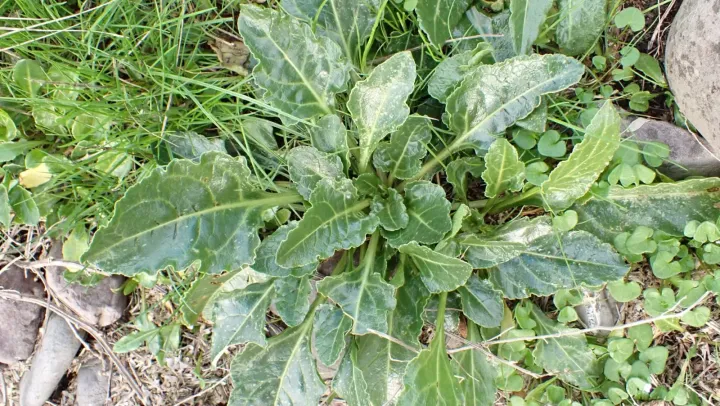
Description
Sowing dates
The optimal planting time for sugar beet occurs when soil temperatures at seeding depth reach 6 to 8 degrees Celsius. Early sowing allows the crop to take full advantage of winter and spring moisture reserves.
Depending on the climatic zone, sowing typically begins in April. It is crucial to avoid planting in excessively cold soil, as this increases the risk of seedling root rot and reduces stand establishment.
Seeding depth should be between 3 and 5 centimeters. In lighter sandy soils, deeper planting is acceptable, whereas in heavier clay soils, seeds should be placed closer to the surface to prevent the formation of a soil crust.
Rolling the field immediately after sowing is recommended to ensure good seed-to-soil contact, which is essential for uniform germination and emergence.
The standard row spacing is 45 centimeters, a configuration that supports efficient mechanical weeding and cultivation throughout the growing season.
Growing requirements
Sugar beet (Beta vulgaris) belongs to the Amaranthaceae family and requires high soil fertility for maximum development. It performs best in deep, fertile chernozem soils with high humus content.
Soil pH is critical for the crop, with an ideal range of 6.5 to 7.5. Acidic soils severely hinder root development and reduce the efficacy of fertilizers, making lime application necessary in some regions.
The plant is light-demanding and requires consistent water availability, especially during the peak leaf and root growth phases in July and August. Water stress during this period can drastically limit sugar yields.
A balanced fertilizer program including nitrogen, phosphorus, and potassium is essential. Additionally, boron is a vital micronutrient; its deficiency causes heart rot, which significantly damages the quality of the root.
Deep autumn tillage is a core agricultural practice, as it encourages the taproot to penetrate deep into the soil, allowing the plant to access moisture and nutrients in lower soil horizons.
Yield
In commercial conditions, sugar beet yields typically range from 40 to 80 tonnes per hectare, depending on the hybrid, soil quality, and local climate management practices.
The primary quality metric for sugar beet is the sucrose content (digestion), which generally ranges between 16 and 20 percent for modern high-yielding commercial varieties.
Intensive farming practices allow producers to maintain a plant population of 100,000 to 120,000 plants per hectare, which maximizes the total sugar yield per unit of land.
Adherence to crop rotation is essential; returning sugar beet to the same field too frequently leads to soil fatigue and a significant buildup of pathogens, directly reducing yield potential.
Post-harvest losses can be significant; therefore, using calibrated machinery to minimize bruising and damage to the roots is critical to maintaining high quality during storage and transport.
Main diseases and pests
Major diseases affecting sugar beet include Cercospora leaf spot, powdery mildew, and downy mildew. Cercospora is particularly aggressive and can cause rapid defoliation if left unmanaged.
Root rots, such as Fusarium or Rhizoctonia, pose significant risks both in the field and during storage, requiring strict sanitary controls during harvest and transport.
Pests like the beet weevil, flea beetles, and aphids can devastate young seedlings. Soil-dwelling pests such as wireworms are also major threats that can compromise stand density.
Sugar beet cyst nematodes represent a hidden threat that causes stunted growth and reduced vigor. Proper crop rotation is the most effective biological defense against nematode buildup.
- Use fungicide-treated seeds to ensure seedling protection.
- Regular field scouting to monitor for aphid and weevil infestations.
- Timely application of pesticides and fungicides based on economic thresholds.
Harvesting
Harvesting usually occurs in late autumn, typically from September to October. Mature beets are ready when the lower leaves begin to turn yellow and wither, indicating the end of the vegetative cycle.
The modern harvest is a two-step process: mechanical leaf topping followed by the extraction of the roots from the soil using high-efficiency beet harvesters.
Weather conditions play a crucial role during harvest; excessively wet soil leads to high dirt tare, which increases transport costs and slows down processing at the factory.
Frost protection is necessary if the harvest is delayed until late November, as freezing can damage the crowns of the beets and lower their sugar content.
Speed is essential after harvest. Sugar beets should be delivered to processing facilities promptly to prevent high respiration rates, which lead to sugar loss and root deterioration.