
Sugar beet
Beta vulgaris Sugar Beet Group
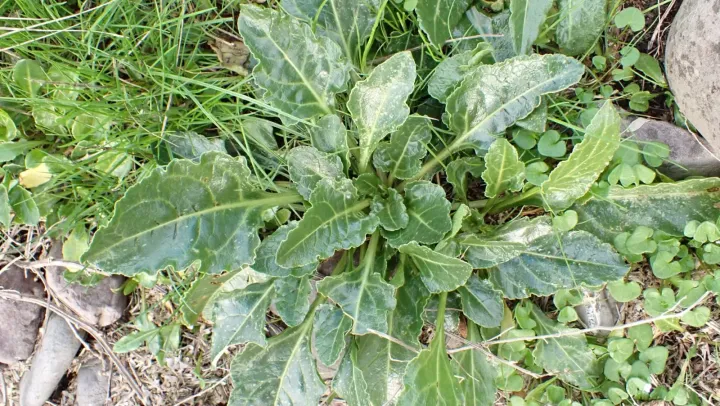
Description
Sowing dates
Sugar beet (Beta vulgaris Sugar Beet Group) is a biennial root crop of the Amaranthaceae family, widely grown as an annual crop for sugar production. It develops a large, sugar-rich taproot in its first growing season, which is harvested for industrial processing.
The sowing period typically begins in early spring, once soil temperatures reach 6–8°C at seeding depth. Proper seedbed preparation is essential to ensure uniform germination and establishment, which are critical for maximizing yield potential.
Modern agronomic practices rely on precision planting technology. Standard row spacing is set at 45–50 cm, allowing for efficient mechanical weed control and proper airflow throughout the canopy to prevent fungal disease development.
Seed depth should be carefully controlled at 3–5 cm. Shallow planting can lead to dehydration of the seed, while excessive depth can delay emergence and weaken the seedlings, making them more susceptible to soil-borne pathogens.
Optimal plant density is vital for productivity, typically aiming for 100,000 to 120,000 plants per hectare. This density provides a balance between individual plant growth and the ability of the foliage to cover the soil, suppressing weeds.
Growing requirements
Sugar beets thrive in deep, well-drained loamy or clay-loam soils with a neutral pH (7.0–7.5). Soil compaction must be avoided through proper tillage practices to allow for deep taproot penetration and healthy tuber formation.
Water availability is the primary driver of sugar beet yield. The crop requires consistent moisture throughout the season, particularly during the rapid leaf development phase and the final tuber bulking stage in late summer.
High light intensity is crucial for maximizing photosynthesis. Sugar beets require open field conditions with full exposure to sunlight. Shading or overcrowding significantly reduces both the final root weight and the sugar concentration.
The ideal climatic conditions for sugar beet are moderate temperatures, typically between 18°C and 25°C. Excessive heat stress can impair sugar accumulation, while prolonged cold can stunt growth during the early stages.
Fertilization must be calculated based on soil testing. Nitrogen management is particularly delicate: too much nitrogen promotes excessive leafy growth at the expense of sugar concentration, while insufficient nitrogen limits overall biomass.
Yield
Yields of sugar beet vary significantly depending on local climate, soil quality, and genetic potential of the hybrid. On average, commercial yields range from 50 to 80 tonnes per hectare in well-managed agricultural systems.
The economic value of the crop is determined by both the total root tonnage and the percentage of sucrose content, which typically ranges between 16% and 20%. Refineries pay based on the total recoverable sugar.
Weed control is the most significant factor affecting yield early in the season. Herbicide applications must be timed precisely to prevent early competition for nutrients, which can reduce yields by nearly half if left unmanaged.
Continuous monitoring of canopy health ensures that leaves remain active for as long as possible. The longer the green foliage is maintained in late summer and autumn, the more sugar the plant can accumulate in the root.
Advanced agricultural technologies, including variable rate fertilization and precision irrigation, have significantly pushed the ceiling for sugar beet yields in recent years across major producing regions.
Main diseases and pests
Key diseases affecting the crop include Cercospora leaf spot, powdery mildew, and root rots. These diseases can rapidly degrade foliage, reducing the plant's ability to store sugar and causing substantial economic loss.
Insect pests, such as beet aphids, wireworms, and root-eating beetles, can devastate young crops. Integrated pest management (IPM) strategies, including seed treatments and timely foliar sprays, are necessary to maintain plant health.
Crop rotation is fundamental to managing soil-borne threats. Planting sugar beets in the same field too frequently leads to a buildup of nematodes and pathogens that are notoriously difficult to control in a standing crop.
Proper harvest handling is also a defense against storage threats like storage rot. Reducing mechanical damage during lifting and cleaning the roots are essential for preventing the spread of secondary infections.
- Cercospora leaf spot
- Powdery mildew
- Beet aphid
- Rhizoctonia root rot
Harvesting
The harvest phase marks the conclusion of the growing season, usually occurring in autumn. Timing is crucial; harvesting too early results in lower sugar content, while harvesting too late increases the risk of soil frost.
Mechanical harvesters perform three main tasks simultaneously: topping the foliage, lifting the beet roots from the soil, and cleaning them. Efficiency in cleaning is paramount to reducing transport costs and improving processing quality.
Storage in field piles (clamps) requires careful temperature management. If piled roots become too warm, respiration causes a significant decline in sugar levels. Conversely, preventing frost damage is equally important for long-term storage.
The logistics of harvest must be perfectly synchronized with sugar factory capacity. Since sugar beets are highly perishable and cannot be stored for long periods, a steady flow from the field to the factory is required.
Post-harvest quality control is the final step in the agronomic cycle. Ensuring that the delivered beets are free of dirt and debris minimizes impurity levels, which facilitates more efficient sugar extraction at the industrial level.