
Sugar beet
Beta vulgaris Fodder Beet Group
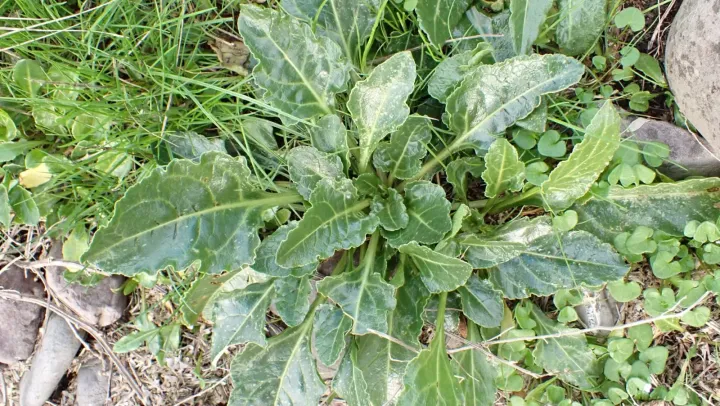
Description
Sowing dates
Sugar beet Beta vulgaris is a root crop from the Amaranthaceae family, widely grown for its high sucrose content. Planting occurs in early spring as soon as soil temperatures reach +6°C to +8°C.
The optimal sowing window typically ranges from late March to mid-April depending on the local climate. Early planting is essential to capitalize on winter moisture retention.
Seeds are sown at a depth of 3–5 cm. Uniform spacing is achieved using modern precision seeders, which eliminates the labor-intensive process of manual thinning.
The soil should be well-prepared and firmed after planting to ensure good seed-to-soil contact, which is critical for uniform germination and seedling emergence.
Proper field planning and density management are vital, as they affect both the individual root weight and the total sugar yield per hectare.
Growing requirements
The crop thrives in deep, fertile soils with a neutral pH. It is sensitive to soil acidity, so liming is often necessary for optimal nutrient uptake in non-neutral soils.
Sugar beet is a light-demanding plant; it requires full sun exposure to drive photosynthesis and sugar accumulation. Shaded areas significantly reduce the quality of the roots.
Consistent moisture is required throughout the growing season, especially during the leaf rosette expansion and the active thickening phase of the root.
Balanced fertilization is key to yield maximization. Farmers typically use a precise mix of nitrogen, phosphorus, and potassium, tailored to soil test results.
Aeration is equally important; compacted soil leads to root malformation and negatively impacts the harvest quality and subsequent processing efficiency.
Yield
Yields are determined by soil quality, cultivar selection, and the intensity of agricultural management. Modern hybrids are bred for both mass and high sucrose concentration.
Average industrial yields range from 50 to 80 metric tons per hectare, while high-performance farms can exceed 100 tons under ideal conditions.
Sucrose content is the primary quality metric for the industry, typically averaging between 16% and 19%. This is influenced by sun exposure and proper timing of harvest.
Weed control is essential during the early stages of growth. Because sugar beet is slow-growing initially, weeds can easily outcompete the crop for nutrients and light.
Crop rotation is fundamental. Planting sugar beet after cereal crops provides the best results and helps in managing soil-borne diseases and pest populations.
Main diseases and pests
The main pathological threats include Cercospora leaf spot, powdery mildew, and root rot. These diseases can devastate foliage and stop root growth during the summer.
Key insect pests include beet weevils, tortoise beetles, and aphids, which can cause significant damage to young leaves and stems, leading to severe yield losses.
Integrated pest management (IPM) is the standard practice, combining seed treatments, systematic herbicide applications, and scouting for timely pesticide intervention.
Preventative strategies, such as maintaining healthy crop rotation intervals, significantly reduce the pressure from soil-borne pathogens and long-term pest cycles.
Effective weed management relies on pre-emergence and post-emergence herbicide applications to ensure the crop establishes without external competition.
Harvesting
Harvesting usually begins in late September and extends through November, once the roots reach technical maturity and sucrose accumulation peaks.
The process is highly mechanized, utilizing specialized harvesters that de-top the beets and lift the roots from the soil in a single operation.
Care must be taken during harvesting to minimize physical damage to the roots, as bruises and cuts lead to sugar loss and rot during storage and transport.
Efficiency in logistics is paramount, as sugar beets are perishable and must be moved to processing facilities as quickly as possible to maintain sugar quality.
Modern harvest techniques ensure that the majority of soil is separated from the roots, which is crucial for reducing waste and transport costs for the farmers.