
Saltbush
Atriplex nummularia Lindl.
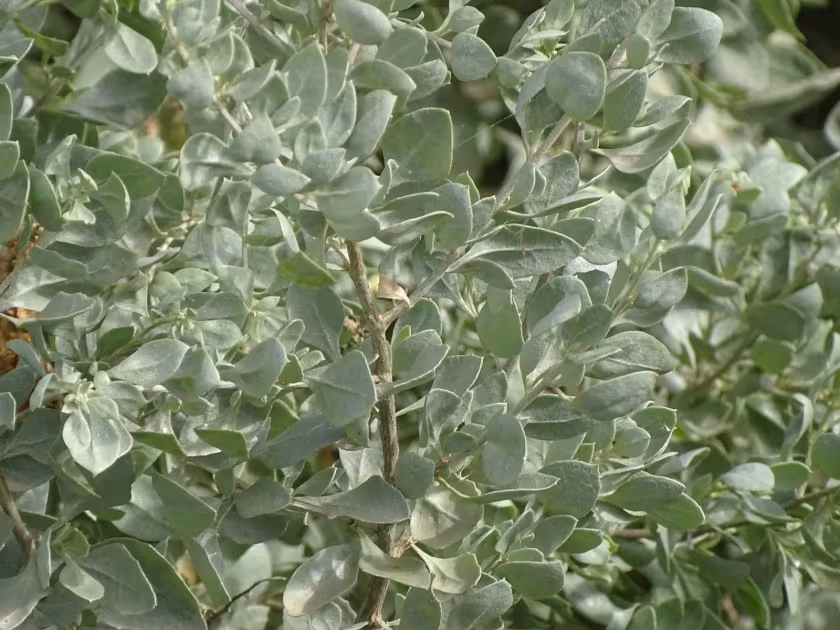
Description
Sowing dates
Sowing of Atriplex nummularia is generally performed in the spring season once the soil temperature is adequate to support germination. In arid regions, it is essential to align the sowing period with the onset of seasonal rains to ensure the seeds have sufficient moisture for successful rooting.
Direct seeding requires careful preparation of the soil surface due to the small size of the seeds. The optimal planting depth is approximately 1-2 centimeters, preventing the embryos from drying out under the intense sun exposure typical of arid climates.
Alternatively, the seedling transplant method can significantly increase survival rates in degraded or saline soils. Transplants are moved to the field after the danger of frost has passed, with supplemental watering provided during the initial weeks to ensure establishment.
Spacing depends on the intended use: for fodder blocks or windbreaks, a distance of 1 to 2 meters between plants is recommended. This spacing allows sufficient room for root development and minimizes competition for limited soil nutrients.
To improve germination rates, seeds may require pre-treatment or stratification if they have been stored for extended periods. Strategic timing allows the plant to develop a robust root system before the onset of extreme summer heat.
Growing requirements
Atriplex nummularia is a perennial shrub of the Amaranthaceae family, renowned for its exceptional tolerance to harsh environments. It is capable of thriving in areas with very low annual rainfall, utilizing even minimal moisture reserves with high efficiency.
The crop shows remarkable adaptability to saline soils, making it an ideal candidate for the phytoremediation of lands unsuitable for traditional agriculture. It thrives in alkaline, sandy, and heavy clay soils, tolerating high levels of mineral salt content.
As a heliophyte, this saltbush requires maximum solar exposure for optimal photosynthesis and biomass production. Shading results in slowed growth rates and a decrease in the nutritional density of the foliage.
The temperature range for this species is broad, including significant resistance to extreme heat and moderate frost. Thanks to its deep taproot system, the shrub can access water from lower soil profiles, sustaining its biological functions during long periods of drought.
Agricultural management includes controlling weeds in the early growth stages, as young seedlings are poor competitors. Once mature, the shrubs create a dense canopy that naturally suppresses weed development by shading the ground beneath.
Yield
The productivity of Atriplex nummularia as a fodder crop depends directly on environmental conditions and harvesting frequency. With adequate moisture, the plant produces a significant volume of green biomass rich in protein and essential minerals.
In natural arid steppe environments, biomass yield can reach several tons of dry matter per hectare annually. This makes it a strategically important reserve feed for small ruminants during critical seasonal shortages.
Management intensity affects the longevity of the plantings: overly frequent cutting can deplete the shrub's energy reserves. A rotational grazing or harvesting regime is optimal, allowing the plant sufficient time to regenerate vegetative shoots.
Nutrient concentration peaks just before the onset of the active flowering phase. At this stage, the leaves contain the highest protein levels, making them a high-quality nutritional supplement for livestock during challenging seasons.
It is important to note that mineral salt content in the plant tissues may vary based on soil composition, requiring cautious inclusion in young livestock diets. Overall, this crop serves as a vital source of micronutrients in deficit regions.
Main diseases and pests
Atriplex nummularia possesses high natural resistance to many pathogens common to agricultural crops. However, it may be susceptible to certain species of aphids, which can damage tender shoots and leaves by sucking plant sap.
In conditions of high humidity or poor airflow, fungal diseases such as powdery mildew can occur. Prevention involves maintaining proper plant spacing to ensure adequate air circulation and drying of the leaf surfaces.
Young seedlings are particularly vulnerable to rodents and wild herbivores that may feed on the tender growth. Protecting young plots with fencing is highly recommended during the initial establishment phase.
Root rots may arise in waterlogged soils, making proper drainage a critical aspect of site selection and soil management. Avoiding oversaturation is the most effective method for preventing diseases related to the root system.
In general, the plant is considered low-maintenance, requiring minimal chemical protection. Periodic monitoring of the stands allows for the rapid identification of localized issues and the implementation of appropriate control measures.
Harvesting
Harvesting Atriplex nummularia for fodder is typically conducted via mechanized cutting or controlled grazing. Specialized machinery allows for the rapid collection of biomass, which can then be dried or processed into forage meal.
To preserve maximum nutritional value, harvesting leaves and soft shoots should occur before the plant becomes too lignified. Timing the harvest is crucial as it directly affects the digestibility of the forage for livestock.
The drying process requires care; intense, direct solar radiation can cause the loss of valuable carotenoids. Ideally, drying should occur in shaded, well-ventilated areas or by using active ventilation systems.
When using grazing as a harvest method, rotational systems are essential to prevent overgrazing and soil compaction. This approach ensures rapid recovery of the shrubs and maintains consistent forage productivity over the long term.
Seed collection for propagation is performed manually or with combine harvesters at the end of the vegetative cycle, when seeds have reached maturity and are dry. Proper storage in cool, dry conditions is necessary to maintain high seed viability.