
Fat-hen saltbush
Atriplex patula L.
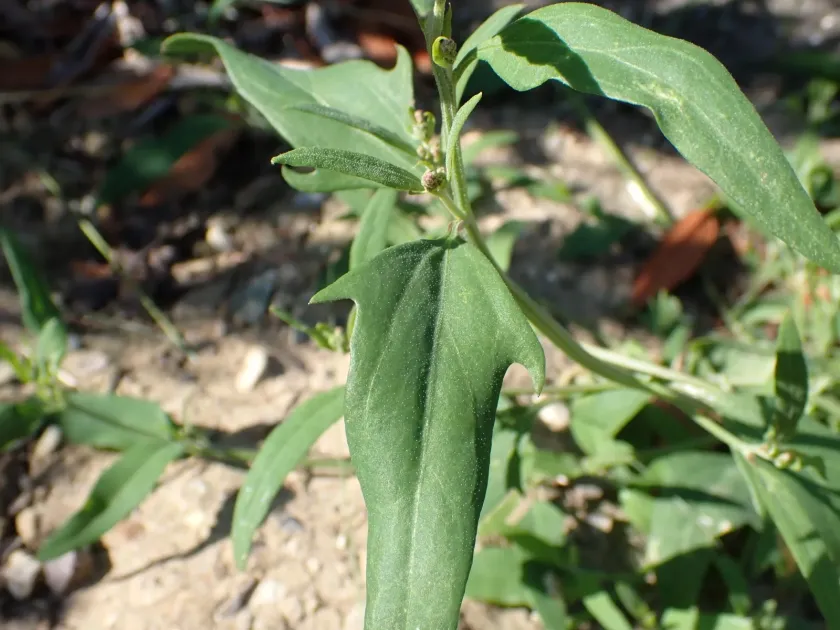
Description
Sowing dates
Atriplex patula, commonly known as fat-hen saltbush or spear-leaved orache, is a member of the Amaranthaceae family. While often categorized as an agricultural weed, it exhibits unique botanical traits that have led to investigations into its potential for managed cultivation.
The sowing process begins in early spring, once soil temperatures reach approximately 5 degrees Celsius. The seeds are characterized by a high germination rate, allowing the crop to establish itself rapidly under favorable environmental conditions.
Seeds should be planted at a shallow depth of 1–2 centimeters to ensure adequate germination and early seedling development. Precise row spacing is recommended to optimize light interception and prevent overcrowding during the vegetative growth phase.
Farmers can utilize standard grain drills for sowing, ensuring that the seed-to-soil contact is sufficient for moisture absorption. Early establishment is essential to allow the plants to develop a robust root system before the onset of summer stress.
Given the high reproductive capacity of the species, sowing densities should be managed carefully to align with the intended use of the biomass. Whether grown for forage or research, proper spacing facilitates efficient management throughout the growing cycle.
Growing requirements
This species is highly adaptable to various soil types, thriving in fertile loams as well as saline or degraded soils where other crops might struggle. It possesses a high tolerance for poor soil quality, making it a versatile option in diverse environments.
The crop prefers temperate climates with moderate rainfall but displays strong drought resistance once fully established. Adequate sunlight is crucial, as the plant performs best in open areas with minimal shading from competing vegetation.
Nutrient requirements are relatively modest, though nitrogen application significantly enhances the biomass yield. Providing balanced fertilization can result in more vigorous growth and a higher nutritional value of the foliage.
Soil management should focus on maintaining a fine tilth to support the shallow root structure. While the plant is resilient, avoiding heavy soil compaction will significantly benefit the plant's overall development and uniformity across the field.
Water management is primarily focused on the germination stage; however, supplementary irrigation during extreme heatwaves can help maintain high foliage quality. The plant is notably salt-tolerant, which sets it apart from many standard agricultural crops.
Yield
Yields of Atriplex patula are generally high, particularly when the crop is managed for biomass production. Under intensive management systems, multiple cuts per season can be achieved if conditions are kept optimal.
The peak biomass accumulation occurs just before the flowering phase, which is also the time when the plant's nutrient concentration is most favorable for forage use. Yield assessments show consistent production across varied growing seasons.
Strategic harvesting helps maximize annual yield, allowing the plants to recover quickly after each cut. By maintaining soil moisture and providing basic nutrients, growers can consistently reach high targets for green mass per hectare.
Seed production is also a viable output, as each plant can produce a vast quantity of seeds. Managing the crop specifically for seed harvest requires careful timing to ensure maximum maturation without significant seed loss due to shattering.
Field-wide yield uniformity is achievable through standardized planting patterns and routine maintenance. Consistent attention to field conditions directly correlates to higher profitability and more stable output volumes for the producer.
Main diseases and pests
Atriplex patula is generally hardy, though it may be susceptible to powdery mildew in high-humidity environments. Good field ventilation and proper plant spacing are the best cultural methods to mitigate these fungal risks.
Various insects, such as aphids and specific beetles, may feed on the foliage, potentially reducing the vigor of the crop. Regular monitoring for pest populations is recommended to ensure that infestations do not reach levels that impair growth.
In cases of high pest pressure, integrated pest management (IPM) strategies are preferred over the exclusive use of chemicals. Encouraging natural predators can provide long-term stability without the environmental costs associated with synthetic pesticides.
Soil-borne pathogens are rare but can be minimized through proper crop rotation practices. Maintaining a healthy soil ecosystem through organic amendments often helps the plants defend themselves against common environmental stressors.
Early identification of physiological issues is key to effective management. When addressed promptly, most threats to this hardy species can be managed with minimal disruption to the overall health and yield potential of the crop.
Harvesting
Harvesting is typically performed using forage equipment, targeting the period before seed set to ensure high quality and nutritional content. This timing is critical for producing the most palatable forage material.
For seed harvesting, direct combining is the most efficient method. It is essential to perform this in dry conditions to facilitate clean extraction and prevent the accumulation of excess moisture in the seed batch.
Once harvested, the biomass should be rapidly processed or dried to prevent fermentation or spoilage. Effective drying techniques maintain the integrity of the plant matter and preserve its nutritional profile for storage.
Cleaning equipment, such as air-screen cleaners, should be used post-harvest to remove impurities from the seed lots. High standards in processing result in a higher value product and longer shelf life during storage.
Storage areas must be kept cool and dry to prevent the formation of mold, which is the primary enemy of harvested biomass. Proper ventilation in silos or warehouses is essential to maintaining the quality of the product over long periods.