
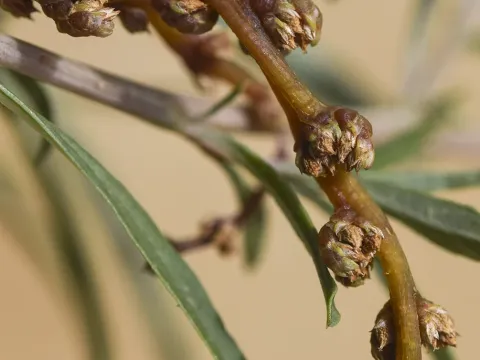
Wrinkled amaranth
Amaranthus muricatus
Wrinkled amaranth (Amaranthus muricatus) is a perennial member of the Amaranthaceae family, known for its resilience and adaptability. Sowing should begin only when soil temperatures reach a stable 12 to 15 degrees Celsius to ensure rapid germination.
What the section contains
Wrinkled amaranth
The optimal planting season is late spring, once the risk of ground frost has fully passed. Planting in cold, wet soil significantly increases the risk of seed decay and uneven emergence, which impacts the uniformity of the final stand.
Seeds are very small and must be planted shallowly, typically at a depth of 1 to 2 centimeters. Using a roller after sowing is highly recommended to improve soil contact and encourage the capillary rise of moisture to the seed zone.
Row spacing is usually set between 45 and 70 centimeters to facilitate mechanical weed control and airflow within the canopy. Providing adequate space is critical to allow each plant to reach its full development potential without excessive competition.
Early-stage growth is slow, requiring dedicated weed management in the first few weeks. Once the plants grow beyond 25 centimeters, their foliage naturally shades the soil, suppressing most weed species effectively without further intervention.
This species is highly drought-tolerant, making it an excellent candidate for regions with limited rainfall or water scarcity. It thrives under full sun exposure and requires high light intensity to maximize its photosynthetic output throughout the season.
The ideal soil profile for wrinkled amaranth is well-drained, sandy loam or fertile silt with a neutral pH. The plant performs poorly in compacted or waterlogged soils, as excessive moisture often leads to root rot and systemic infections.
Temperature requirements for optimal growth range from 20 to 30 degrees Celsius. While it can withstand hot summers, consistent soil moisture during the peak vegetative stage will ensure the highest biomass production for forage or other uses.
Balanced fertilization is recommended, focusing on providing essential minerals like phosphorus and potassium to strengthen stem architecture. Excess nitrogen should be avoided to prevent plant lodging during high-wind events or storms.
Good soil preparation, including deep plowing and breaking up clods, is vital before sowing. Proper soil structure allows for better root penetration and improved nutrient uptake, which are essential for a healthy crop in diverse environments.
Pests such as aphids and spider mites can occasionally affect the crop during prolonged periods of heat and moisture stress. Monitoring the fields regularly is essential for early detection, allowing for spot treatments rather than widespread pesticide application.
Root rot caused by fungal pathogens is a significant threat when drainage is inadequate or when crop rotation protocols are ignored. Rotating amaranth with non-susceptible species helps reduce the inoculum load of soil-borne diseases.
Powdery mildew may occur during periods of high humidity and poor airflow. Managing plant density and removing infected leaves can help keep the disease pressure low and protect the overall health of the field during the growing cycle.
Nematodes represent a hidden but serious threat, particularly in sandy soils where monocropping is practiced. Implementing a rigorous crop rotation plan and choosing certified clean seed are the most effective strategies against these pests.
Caterpillars can feed on the leaves, causing physical damage that might decrease the total biomass output. Integrated pest management, including the encouragement of natural predators, is the best way to handle insect pressure sustainably.