
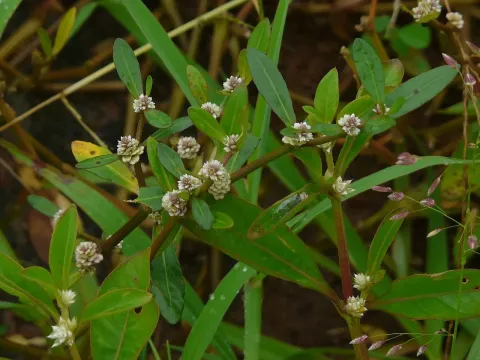
Yellow-grey alternanthera
Alternanthera flaveo-grisea
Yellow-grey alternanthera (Alternanthera flaveo-grisea) is a perennial herbaceous plant belonging to the Amaranthaceae family. In many agricultural and gardening contexts, it is grown as an annual bedding plant due to its sensitivity to frost.
What the section contains
Yellow-grey alternanthera
Propagation is primarily achieved through stem cuttings. Mother plants are kept indoors during the winter in cool, bright conditions, and propagation cuttings are taken in late winter or early spring to ensure a supply of healthy plants.
The cuttings are placed in a porous, well-draining rooting medium. Providing bottom heat and maintaining high humidity levels significantly increases the success rate of rooting, leading to robust young plants within a few weeks.
After the initial rooting phase, plants are transplanted into individual pots to develop a strong root system. This preparation is crucial for ensuring that the plants can establish themselves quickly once transferred to the open ground.
The plants are moved outdoors only after all risks of frost have passed and the soil has sufficiently warmed. Their ability to tolerate frequent trimming makes them an ideal choice for complex geometric carpet bedding designs.
This species thrives in full sun, which is essential to maintain its unique foliage color and compact growth habit. Shady conditions typically lead to weak, elongated stems and a loss of the plant's distinctive yellow-grey coloration.
It prefers fertile, well-drained soil with a neutral to slightly acidic pH. The plant does not tolerate waterlogging, so proper drainage in the planting area or container is vital to prevent root rot and other moisture-related problems.
Temperature management is key to healthy development. Alternanthera flaveo-grisea grows best in warm conditions, ideally between +20°C and +28°C. Cold weather significantly hinders its growth and can lead to plant decline.
Watering should be regular, keeping the soil consistently moist but never soggy. In peak summer heat, supplemental watering is necessary to prevent wilting, especially in shallow soils or large carpet-bed installations.
Balanced fertilization throughout the growing season helps sustain rapid growth and leaf density. Nitrogen-based fertilizers are particularly effective in promoting the lush foliage required for high-impact visual displays.
Spider mites are a common threat, particularly in hot and dry climates. These pests feed on the underside of the leaves, causing stippling, yellowing, and eventually the death of the foliage if left uncontrolled.
Mealybugs can also infest the plants, particularly in glasshouse conditions or in sheltered gardens with poor airflow. These insects weaken the plant by sucking sap, often leaving sticky residues that attract secondary pests.
Fungal diseases like root rot and leaf spot are typically triggered by excessive soil moisture and humidity. Improving ventilation and strictly controlling the irrigation regime are the most effective preventative measures.
Aphids often target new, tender growth in the spring. While they rarely kill the plant outright, their feeding causes leaf distortion, which significantly detracts from the aesthetic value of the planting design.
Integrated pest management strategies are recommended, focusing on early detection and physical removal of pests, followed by targeted application of mild insecticides only when strictly necessary.