
Winterfat
Ceratoides
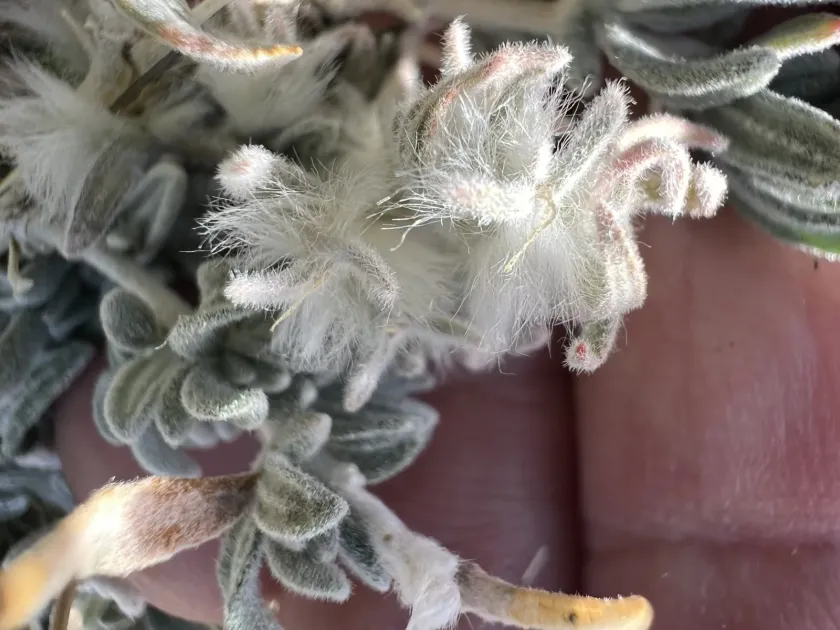
Description
Sowing dates
The optimal time for seeding winterfat is during the autumn, just before the onset of persistent cold weather. This timing ensures that the seeds undergo natural stratification, which is essential for successful germination.
Early spring seeding is also possible, provided it is done as soon as the soil reaches its physical maturity. In such cases, pre-sowing seed treatment is mandatory to enhance germination energy.
When sowing, it is crucial to consider the biological characteristics of the species; its seeds maintain high viability only when sown near the soil surface. Rolling the soil after seeding significantly improves the emergence rate.
Seeding rates must be adjusted based on seed purity and the chosen sowing method. In agricultural practice, drilling or row seeding with spacing between 45 and 60 centimeters is the most common technique.
A vital condition for success is ensuring a firm contact between the seed and the moist soil layer. The sowing depth should not exceed 1–2 centimeters, as the small size of the seeds limits their emergence capacity.
Growing requirements
Winterfat belongs to the Amaranthaceae family and is a typical xerophyte, specifically adapted to extremely arid environments. The crop exhibits outstanding drought tolerance and soil salinity resistance.
The plant thrives on rocky, gravelly, sandy, and alkaline soils. It is capable of efficiently utilizing scarce water resources in regions with an annual precipitation of less than 200–250 millimeters.
High intensity of solar radiation is required for normal development. Winterfat reacts negatively to shading and excessive moisture in the root zone, which can lead to the mortality of the stand.
The plant possesses a deep, robust root system that allows it to access water from deep soil horizons. This biological feature makes it an invaluable species for the restoration of degraded rangelands.
Regional temperature regimes are of secondary importance, as winterfat is highly winter-hardy. It is capable of withstanding the significant diurnal temperature fluctuations typical of desert and semi-desert zones.
Yield
The agricultural value of winterfat lies in its ability to produce significant biomass even during unfavorable drought years. Green forage yield is strongly dependent on moisture availability during the spring.
For rangeland use, winterfat is highly prized for its nutritional value, which remains intact even during the winter months. It serves as an excellent fattening forage for all types of livestock.
Average productivity with proper agronomy allows for yields of 5 to 12 centners of hay per hectare. While intensive irrigation can increase yields, it is rarely practiced on a commercial scale for this crop.
Biological productivity largely depends on the age of the stand and the frequency of grazing. Optimal grazing pressure encourages better tillering and the formation of a dense vegetative cover.
The crop's value is confirmed by its high protein and mineral content. Livestock readily consume winterfat, which contributes to improved physiological health and increased weight gain.
Main diseases and pests
Winterfat possesses high phytosanitary resistance to most common agricultural diseases. This is attributed to its classification as a halophyte and its rich profile of biologically active secondary metabolites.
Soil-dwelling pests, such as wireworms, pose the primary threat to young seedlings. During periods of massive pest outbreaks, they can significantly thin out stands in the first year of establishment.
Pests that damage vegetative mass are relatively rare. Occasionally, damage to the leaf apparatus by coleopteran insects is observed, although this rarely reaches the scale of an economic epiphytotic.
Fungal diseases caused by excessive humidity may affect the root collar of the plant. This occurs primarily in low-lying areas with stagnant water, where the plant's development is hampered.
Control measures are generally limited to crop rotation and preventing overgrazing, which weakens plant immunity. Chemical protection is rarely employed due to the environmental sensitivity of its habitat.
Harvesting
Hay harvesting of winterfat is performed during the period of peak nutrient accumulation, typically at the beginning of the flowering phase. This timing represents the best ratio of leaf-to-stem biomass.
When utilized as winter range, harvesting is not required as the plants are left standing. This allows for the rational use of feed resources during the most critical periods of the year for livestock.
For seed production, harvesting is carried out mechanically at the stage of full seed maturity. The harvested seeds require immediate cleaning and drying, as they are prone to self-heating if stored in bulk.
It is important to avoid excessive mowing, as the plant needs sufficient time to regenerate vegetative organs before the frost sets in. Autumn regrowth contributes to better nutrient accumulation in the roots.
Harvesting technology must minimize mechanical damage to the shrubs, as winterfat is a long-lived perennial capable of productive use on the same site for up to 10–15 years.