
Hydrocleys parviflora
Hydrocleys parviflora
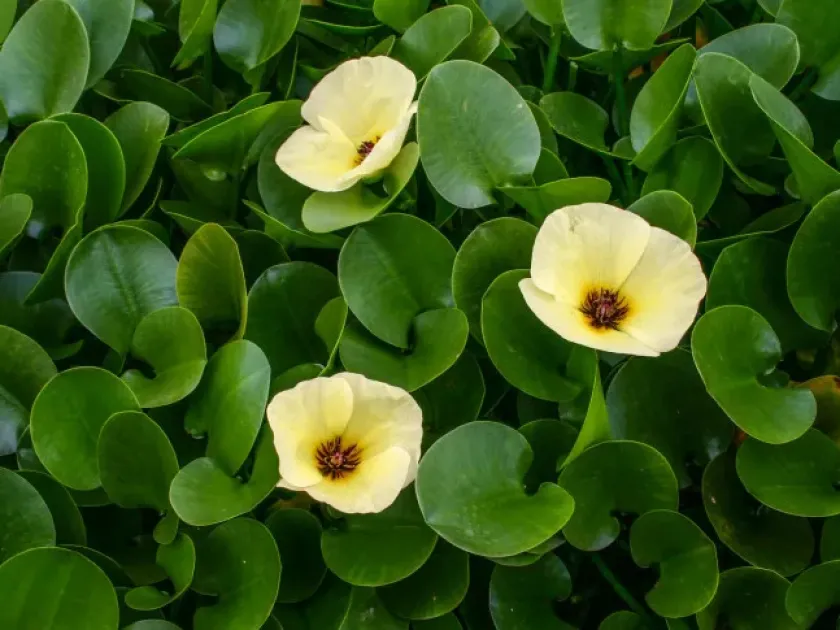
Description
Growing requirements
Hydrocleys parviflora is a perennial aquatic plant belonging to the Alismataceae family. Native to tropical regions of Central and South America, it primarily colonizes shallow, nutrient-rich environments such as pond edges and slow-moving streams, acting as an essential component of local aquatic ecosystems.
The plant requires high water temperatures to thrive, ideally between 20°C and 28°C. In regions with cooler climates, it must be managed as a greenhouse crop or a seasonal outdoor plant, as it has zero tolerance for frost or prolonged cold water conditions.
Regarding lighting requirements, Hydrocleys parviflora demands high light intensity. Exposure to direct sunlight for the majority of the day is necessary to encourage vigorous growth and the development of its distinctive foliage. In shaded locations, the plant typically becomes etiolated and lacks structural integrity.
A fertile, heavy substrate is required for optimal performance. Loamy soil mixed with aged organic compost provides the essential nutrients and anchorage needed for the rhizomes. The depth of the water column over the substrate should be maintained at a moderate level, usually not exceeding 30 centimeters.
Agronomic maintenance involves regular inspection of the water quality to prevent excessive algae growth, which could compete with the plant for nutrients. Pruning of over-dense colonies is a standard procedure to maintain the health of the aquatic environment and promote continuous growth cycles.
Harvesting
The primary economic use of this plant is within the horticultural sector, specifically for ornamental pond landscaping and bio-filtration setups. It is valued for its elegant leaf structure and its biological ability to integrate into and stabilize artificial aquatic environments.